Sains untuk keseharian
Apakah Terapi LED Membantu Jerawat? Bukti dan Pemilihan Perangkat
Pahami hasil penelitian LED merah dan biru serta cara memilih Celluma dengan program Acne untuk rutinitas yang tepat.
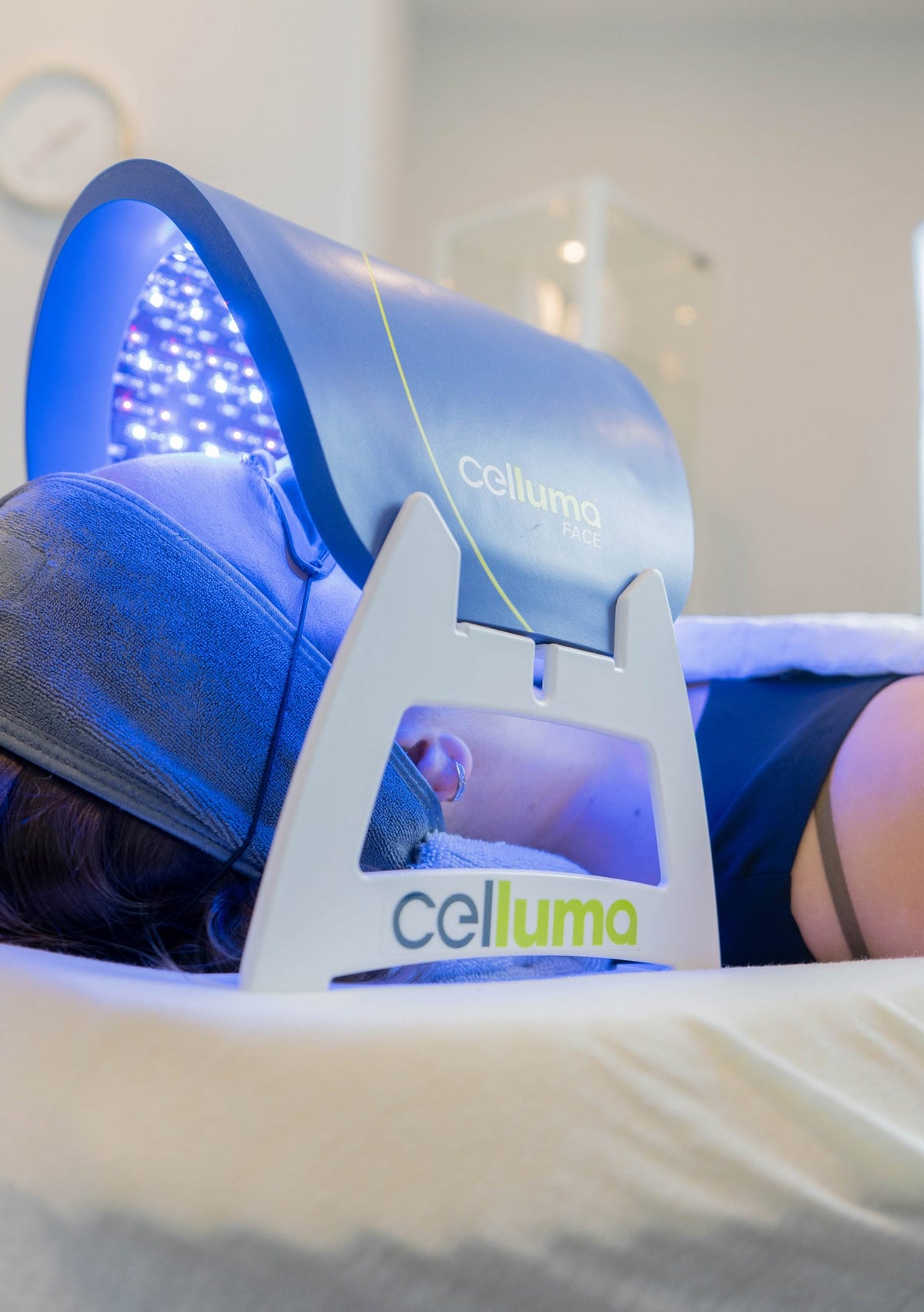
Gambar utama: koleksi Celluma.
The Celluma Journal · Diperbarui
LED biru dan merah dapat membantu jerawat meradang yang sesuai; penelitian melaporkan perbaikan pada jerawat ringan hingga sedang. Hasil bergantung pada perangkat dan rangkaian. Pilih program Acne khusus, gunakan sesuai petunjuk, dan pertahankan rencana yang cocok untuk kulit.
Peran cahaya biru dan merah
Cahaya biru dapat bekerja melalui senyawa peka cahaya yang berkaitan dengan Cutibacterium acnes, bakteri yang berperan dalam jerawat. Cahaya merah diteliti untuk efek terkait peradangan dan respons kulit.
Warna saja tidak cukup. Panjang gelombang, keluaran yang diterima, waktu, dan posisi merupakan bagian dari perawatan. Perangkat bercahaya merah tidak otomatis setara dengan sistem yang diteliti untuk jerawat.
Jerawat juga bukan sekadar infeksi: sumbatan folikel, minyak, dan peradangan ikut berperan. Karena itu LED dapat dipadukan dengan perawatan sesuai atau obat resep bila diperlukan.
Apa yang ditunjukkan bukti klinis?
Uji acak dengan perangkat plasebo oleh Kwon dan rekan menemukan perbaikan dengan regimen LED biru-merah rumahan tertentu untuk jerawat ringan hingga sedang. Uji lebih awal oleh Papageorgiou dan rekan juga meneliti kombinasi cahaya.
Tinjauan sistematis LED rumahan tahun 2025 merangkum enam studi dengan 216 peserta. Temuannya mendukung potensi manfaat, tetapi perangkat dan jadwal berbeda-beda, bukan khusus Celluma. Hasilnya tidak memprediksi persentase perbaikan individu secara pasti.
Pembaruan pedoman AAD 2024 menyatakan bukti belum cukup untuk rekomendasi umum prosedur berbasis cahaya. Pilih perangkat terdokumentasi untuk tujuan jelas dan pertahankan perawatan standar yang diperlukan; hasil satu sistem tidak berlaku otomatis untuk semua LED.
Jenis jerawat yang sesuai
Cahaya tampak terutama relevan untuk jerawat meradang tertentu, bukan pengganti perawatan pori tersumbat. Panduan cahaya AAD juga membedakan nodul dan kista dalam yang membutuhkan pendekatan lain.
Pada pola campuran, tentukan fungsi setiap langkah: LED untuk aplikasi peradangan yang sesuai dan perawatan lain untuk komedo bila perlu. Jerawat dalam, nyeri, atau berparut perlu dokter kulit.
Panduan kami tentang komedo hitam dan jerawat kistik membahas perbedaannya. Menyesuaikan perawatan dengan lesi lebih membantu daripada menganggap semua jerawat sama.
Memilih Celluma untuk jerawat
Pastikan model memiliki Acne. Celluma PRO II menawarkan Acne, Wrinkles, dan Aches & Pain. HOME II memiliki Wrinkles serta Aches & Pain, tanpa Acne.
Program yang sudah diatur membuat langkah penggunaan lebih jelas. Bandingkan cakupan dan format yang nyaman, seperti panel fleksibel atau model masker sesuai, lalu ikuti penempatan serta rangkaian yang didokumentasikan.
Periksa informasi regulasi modelnya. FDA clearance melalui 510(k) terkait perangkat dan tujuan penggunaannya, bukan persetujuan obat atau jaminan hasil yang sama untuk setiap orang.
Rutinitas konsisten yang bisa dievaluasi
Ikuti panduan perawatan produsen dan petunjuk model terbaru. Durasi serta frekuensi berasal dari panduan tersebut, bukan penelitian perangkat lain atau aturan umum internet.
Siapkan kulit, pakai pelindung mata yang ditentukan, dan tinjau kesesuaian serta kontraindikasi, terutama bersama obat yang meningkatkan kepekaan cahaya. Posisi nyaman membantu menjaga rutinitas.
Catat lesi meradang baru dan kenyamanan selama rangkaian. Jika memburuk, berparut, atau tidak merespons, lakukan evaluasi; konsisten bukan berarti menambah paparan sendiri.
Pertanyaan umum
Apakah cahaya merah saja setara mode Acne?
Belum tentu. Acne menggunakan kombinasi pengaturan khusus perangkat; pilih berdasarkan tujuan penggunaan, bukan warna yang terlihat.
Kapan hasil dapat diharapkan?
Perawatan dilakukan sebagai rangkaian, bukan solusi semalam. Waktunya bergantung pada perangkat, program, dan pola jerawat; ikuti panduan serta jadwal evaluasi.
Bisakah LED menggantikan obat?
LED dapat menjadi bagian rencana, tetapi tidak otomatis menggantikan resep. Diskusikan perubahan, terutama untuk jerawat dalam atau berparut.
Apakah semua Celluma memiliki Acne?
Tidak. Periksa model dan generasinya. PRO II memiliki Acne; HOME II tidak. Model lain memiliki kombinasi masing-masing.
Sumber dan bacaan lanjutan
- Kwon dan rekan: uji acak LED biru-merah
- Papageorgiou dan rekan: uji cahaya biru-merah
- Ershadi dan Barbieri: tinjauan sistematis LED rumahan
- AAD: pembaruan pedoman jerawat 2024
- AAD: laser dan cahaya untuk jerawat
- Spesifikasi Celluma PRO II
- FDA: penjelasan jalur 510(k)
- Protokol perawatan Celluma
- Kontraindikasi Celluma Asia