
Red Light Therapy Cabin vs LED Panel:
Why Distance Kills Efficacy
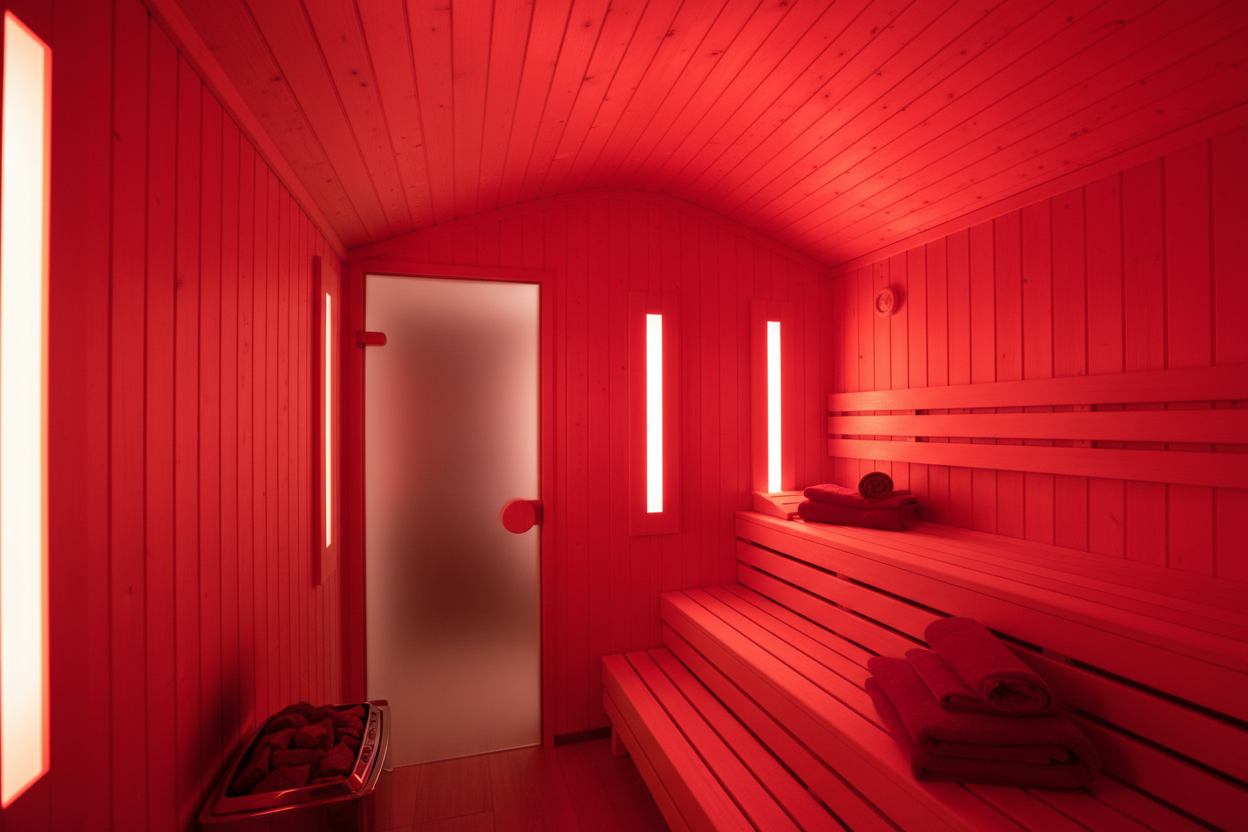
Red light therapy cabins look impressive, but the Inverse Square Law means much of the energy is lost before it reaches your skin. In a stand-up cabin, LEDs positioned 30–100cm from the body may deliver only a fraction of the irradiance needed for a clinical photobiomodulation response. Increasing power to compensate creates heat and glare — not better therapy. This article explains the physics, the clinical evidence, and why proximity is the most important variable in red light therapy.
A red light therapy cabin looks impressive. It can feel futuristic, immersive, and visually powerful. But in the clinical world of photobiomodulation, what matters is not how much light fills a room — it is how much therapeutic light actually reaches the target tissue. And when it comes to cellular response, distance is not a design detail. It is the most critical variable in whether treatment works.
The Inverse Square Law: Why Distance Destroys Red Light Therapy Efficacy
The core limitation of the red light cabin is basic physics. According to the Inverse Square Law, light intensity decreases proportionally to the square of the distance from the source. Double the distance, and irradiance drops to one quarter. Triple it, and you receive one ninth.
Most red light therapy cabins position LED panels 30–100cm from the body. At this distance, even a high-powered system may deliver an irradiance well below the therapeutic threshold for photobiomodulation at the skin surface. The irradiance (mW/cm²) reaching the dermis — the actual measure of how much therapeutic energy the tissue receives — drops sharply with every centimetre of gap between panel and skin.
Can a Red Light Cabin Just Use More Power to Compensate?
This is the most common counterargument for red light cabin manufacturers. The assumption is that a brighter system simply overcomes the distance problem. In photobiomodulation, this is not how it works.
Eye Safety & Comfort
High-intensity LEDs in an enclosed cabin create significant glare and eye strain. Protective goggles are required. A medical-grade system delivers controlled, targeted light — not room-filling intensity.
Heat vs Therapy
Compensating for distance with power generates heat exposure rather than photobiomodulation. True PBM is non-thermal — the mechanism is photochemical, not thermal. Excessive heat is a sign the dose is wrong.
The Biphasic Dose Response — Why More Light Is Not Always Better
Photobiomodulation does not follow a linear "more is better" model. Research consistently shows a biphasic dose-response curve: there is an optimal treatment window where the correct wavelength, irradiance, and total dose produce the desired cellular response. Below this window, the treatment is ineffective. Above it, the response is inhibited — a phenomenon called photobiomodulation overdose.
This means a cabin attempting to overcome distance by maximising power output risks delivering doses above the therapeutic window — reducing efficacy rather than improving it. Correct dose delivery requires proximity, not power compensation.
Red Light Cabin vs Medical LED Device: Clinical Comparison
| Factor | Red Light Cabin | Medical LED (e.g. Celluma) |
|---|---|---|
| Panel Distance from Skin | 30–100cm — significant irradiance loss | Zero-gap contact — maximum irradiance |
| Irradiance at Skin (mW/cm²) | Often below therapeutic threshold | Controlled, clinically validated dose |
| FDA Clearance | Most are not FDA-cleared for medical use | FDA Class II cleared — 3–4 indications |
| Treatment Type | Ambient wellness room experience | Targeted, site-specific clinical treatment |
| Dose Control | Difficult — varies by body position and distance | Consistent, reproducible per session |
| Biphasic Risk | High — compensating power may overdose | Low — correct dose by design |
| Ideal For | Wellness ambiance, relaxation | Clinical results: acne, aging, pain, healing |
What a Medical-Grade LED System Offers Instead
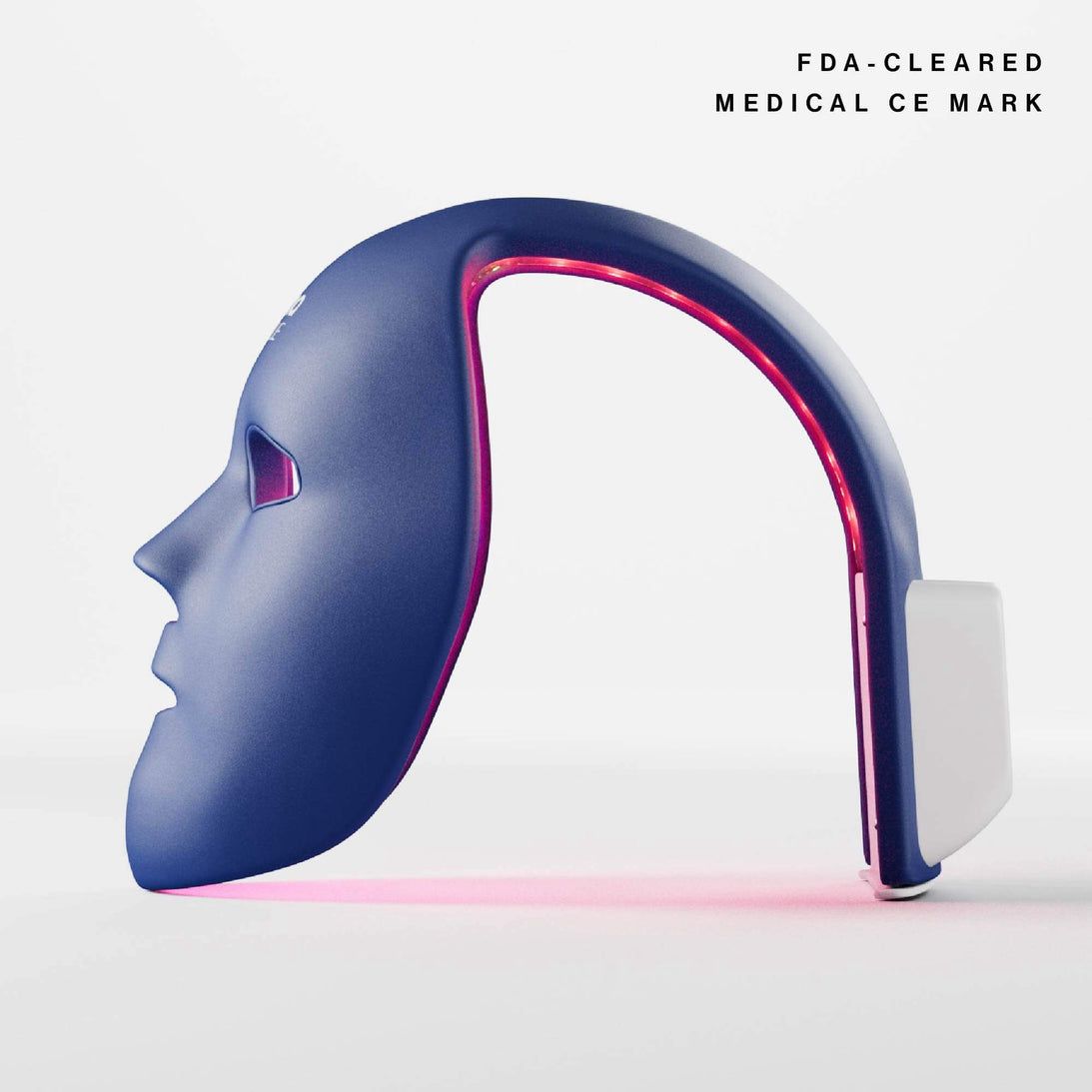
Celluma's flexible panel is designed to conform to the body's surface at zero distance — the S-curve positioning ensures every LED delivers its photons perpendicularly to the treatment site at the full rated irradiance. This is not an engineering convenience — it is the physical prerequisite for clinical photobiomodulation to occur consistently.
For operators — clinics, medispas, and aesthetic practices — this means the difference between offering a wellness ambiance and offering a clinically validated treatment. Celluma's FDA-cleared status allows you to position the treatment with regulatory authority. A cabin cannot make the same claim.
Frequently Asked Questions
Red light cabins provide a wellness experience but clinical efficacy is limited by the Inverse Square Law. With LEDs positioned 30–100cm from the skin, the irradiance reaching target tissue is often too low for a meaningful photobiomodulation response. Medical-grade close-proximity devices deliver controlled, measurable doses directly to the treatment site.
Due to the Inverse Square Law, doubling the distance from the LED source reduces irradiance to one quarter. Even a few centimetres of gap significantly reduces the therapeutic dose at the skin — making proximity the single most important factor in photobiomodulation effectiveness.
No — photobiomodulation operates within a biphasic dose-response window. Too much energy can inhibit the desired biological response. Increasing power to compensate for cabin distance produces excessive heat and glare rather than therapeutic photobiomodulation, and risks exceeding the optimal dose window.
For clinical photobiomodulation, medical-grade devices are designed for zero-gap or close-contact use — ideally less than 1cm from the skin surface. Celluma's flexible panel conforms to the body's contours to maintain this proximity. Most red light cabins place LEDs 30–100cm away, significantly reducing delivered irradiance.
For clinically validated photobiomodulation, Celluma's close-proximity flexible panel delivers a controlled, measurable dose directly to the treatment area. Celluma devices are FDA Class II medical devices cleared for acne, anti-aging, and pain management. Most red light cabins are not FDA-cleared for medical indications and are positioned as wellness experiences rather than clinical treatments.
Don't just sit in the light.
Use light with purpose.
Explore FDA-cleared Celluma LED devices — close-proximity, clinically validated photobiomodulation for anti-aging, acne, pain relief, and wound healing.
Explore Medical-Grade LED Devices

Leave a comment
This site is protected by hCaptcha and the hCaptcha Privacy Policy and Terms of Service apply.