
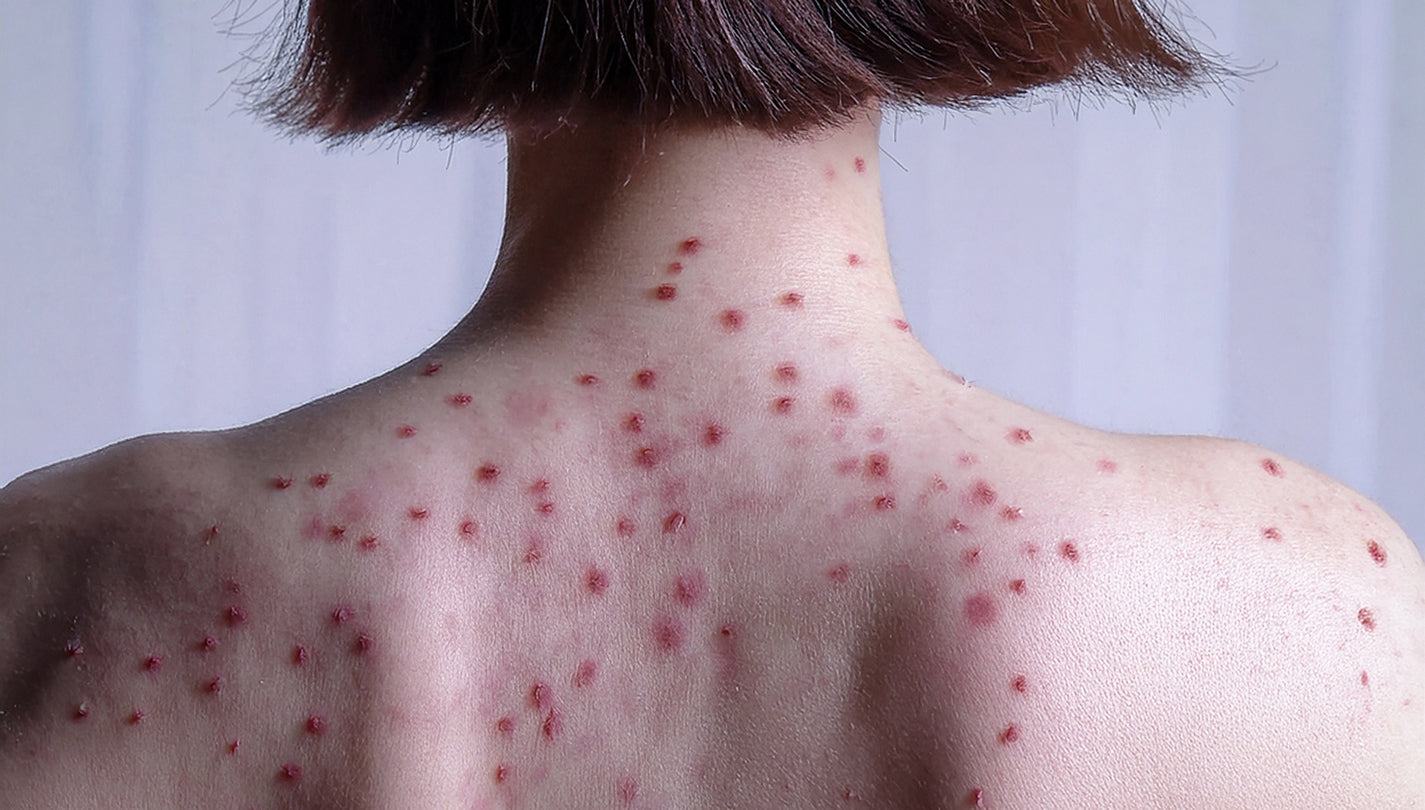
Blue Light Kills Acne Bacteria.
Red Light Stops the Scars.
This Is How LED Therapy Clears Skin
Without Chemicals.
Every topical acne product works on the skin surface. LED light therapy works inside the follicle — destroying the bacteria that cause acne through photochemistry, and shutting down the inflammation that causes post-acne scarring. No antibiotic resistance. No barrier disruption. No purging. This is the complete clinical explanation.
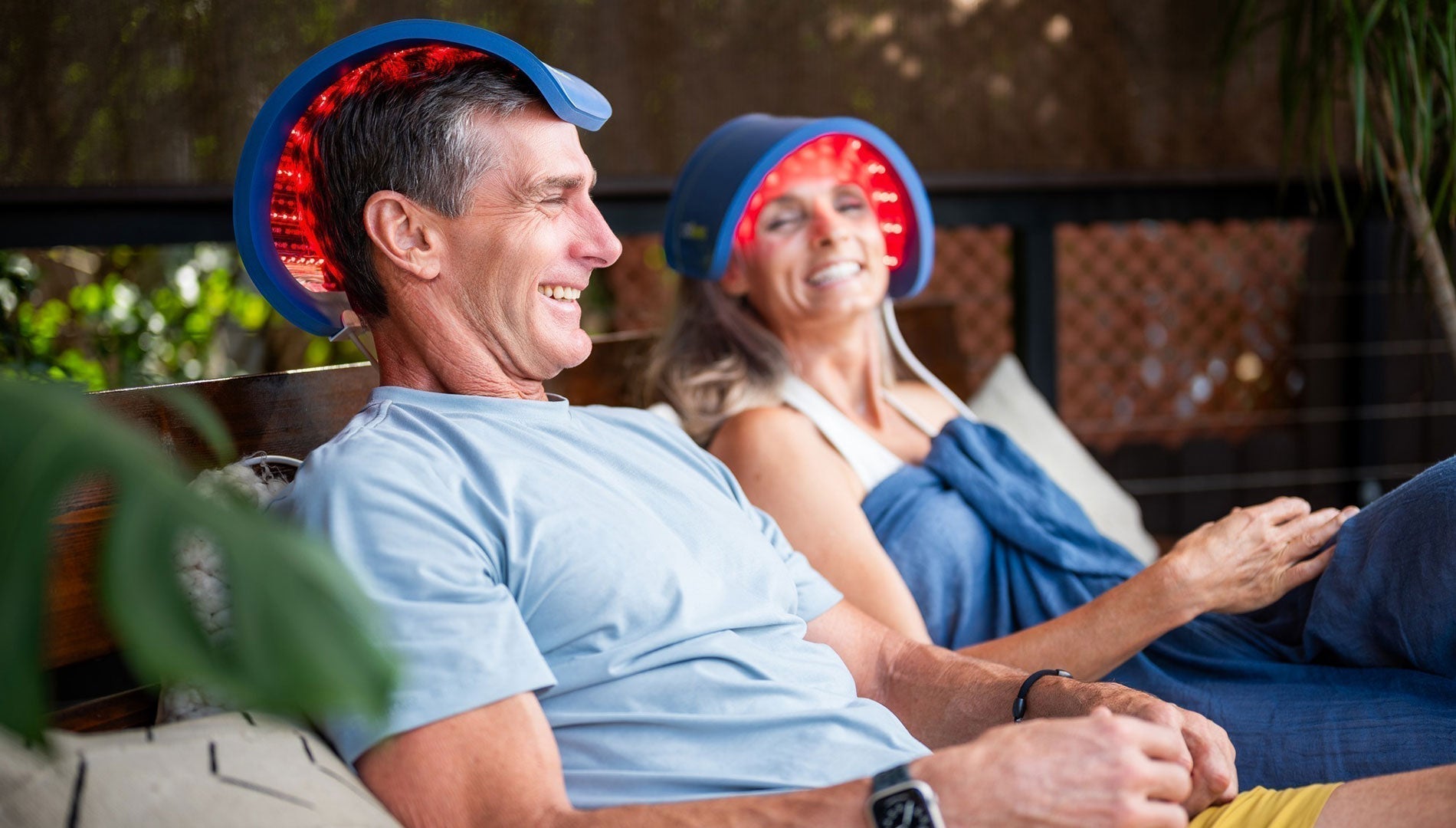
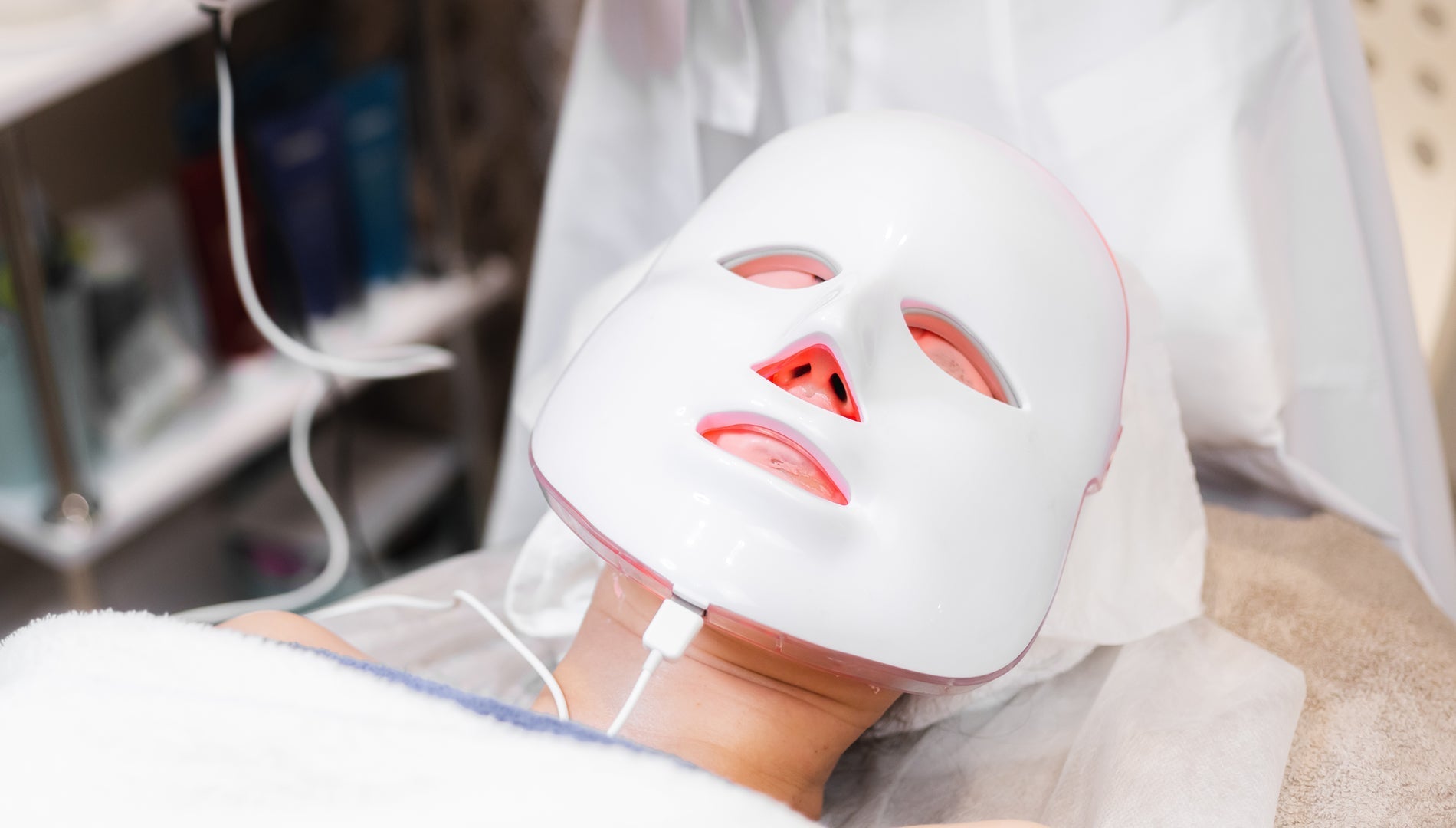
465nm blue light destroys P. acnes bacteria via photodynamic action — targeting endogenous porphyrins inside the bacteria to generate singlet oxygen that kills them from within. 640nm red light simultaneously reduces the inflammation that causes post-acne scarring and hyperpigmentation. Near-infrared (880nm) rebuilds the collagen damaged by deep lesions. All three work simultaneously in a single 30-minute Celluma session. FDA Class II Cleared for acne.
Every teenager and adult who has spent money on acne treatments knows the cycle. Benzoyl peroxide dries out the skin. Retinoids cause purging. Antibiotics work for a while and then stop working. Skincare routines accumulate. The underlying biology — bacteria colonising a blocked follicle, triggering an immune response — continues regardless. LED light therapy interrupts this cycle at two points simultaneously: at the bacteriological source and at the inflammatory cascade that turns a blocked pore into a scar.
The Acne Formation Cycle — Where LED Therapy Intervenes
Acne is not a skin surface problem. It begins inside the follicle, progresses through a predictable biological sequence, and the scars it leaves are caused primarily by the immune response — not the bacteria themselves. Understanding the cycle explains why topical treatments are limited and where light therapy intervenes.
How Blue Light Kills P. acnes — The Porphyrin Mechanism
This is the specific, documented molecular mechanism. It is not vague "light energy destroying bacteria" — it is a precise photochemical reaction targeting compounds unique to P. acnes.
The Triple-Action Approach — All Three Wavelengths Working Simultaneously
Most consumer LED masks cycle through colours sequentially — blue for a few minutes, then red, then near-infrared. Celluma emits all three simultaneously, meaning while blue is eliminating bacteria, red is already preventing the inflammation those bacteria would have triggered. The two-pronged attack operates in real time, not sequentially.
LED Light Therapy vs Topical Treatments — What the Comparison Actually Shows
- Work at skin surface only
- Disrupt skin barrier — dryness, peeling
- Photosensitivity with retinoids
- Antibiotic resistance builds over time
- No collagen or scar repair benefit
- Often require dermatologist monitoring
- Works inside the follicle at 1–6mm depth
- Zero barrier disruption — non-chemical
- No photosensitivity risk
- No resistance possible — physical mechanism
- Simultaneously rebuilds collagen to prevent scars
- FDA-cleared — at-home clinical standard
Why Red Light Is the Best Scar Prevention Tool You Aren't Using
Post-inflammatory hyperpigmentation (PIH) and pitted scars are caused by the inflammatory response to acne — not directly by the bacteria. When the immune system sends cytokines to fight P. acnes, the resulting inflammation damages the surrounding dermal tissue. If that inflammation is not resolved quickly, the repair process produces disorganised collagen — the structural basis of pitted and textured scars.
640nm red light addresses this at two stages: it reduces the cytokine storm during active inflammation (preventing scar formation), and it activates fibroblasts to produce organised collagen that improves existing scarred tissue over time. This dual action is why LED is one of the few treatments that addresses both active acne and post-acne damage in the same session.
Results Timeline — What to Expect and When
FDA-Cleared Celluma Devices for Acne Treatment
Frequently Asked Questions
Yes — with a specific, documented mechanism. P. acnes bacteria produce endogenous porphyrins. 465nm blue light activates these porphyrins, generating singlet oxygen that destroys the bacterial cell from within. No antibiotic resistance is possible because it is a photochemical kill, not pharmacological. Multiple clinical trials confirm significant P. acnes reduction at 3–4 weeks.
640nm red light works on two separate acne pathways: anti-inflammatory (downregulating cytokines that cause the redness, swelling, and PIH scarring) and repair (activating fibroblasts to produce collagen and elastin in lesion-damaged tissue). Used alongside blue light during active breakouts, it significantly reduces both the severity of current acne and the long-term scar risk.
Blue (465nm) kills the bacteria — photodynamic destruction via porphyrin activation. Red (640nm) stops the inflammation — reduces the cytokine response that causes redness, swelling, and scarring. They address different stages of acne pathogenesis. Celluma delivers both simultaneously, so while blue is eliminating bacteria, red is already preventing the inflammatory cascade those bacteria would have triggered.
Initial improvement at 3–4 weeks. Significant reduction in active lesions at 6–8 weeks. Full clearance of active acne with visible improvement in post-acne redness and early scarring at 8–12 weeks of daily or every-other-day 30-minute sessions. Inflammatory lesions (papules, pustules) respond faster than comedonal acne (blackheads, whiteheads).
For mild-to-moderate acne, LED therapy offers several advantages over antibiotics: no resistance risk (photochemical kill mechanism), no gut microbiome disruption, no systemic side effects, and simultaneous anti-inflammatory and collagen repair effects antibiotics cannot provide. For severe acne, LED complements rather than replaces prescription treatment. Many dermatologists now use LED to reduce antibiotic dependence.
Yes. 640nm red light activates fibroblasts to produce collagen and elastin in lesion-damaged tissue, gradually improving pitting and texture. 880nm near-infrared reduces the chronic inflammation that perpetuates post-inflammatory hyperpigmentation (PIH). Used consistently over 12–24 weeks, LED therapy produces measurable improvement in both PIH discolouration and textural scarring from previous acne.
Yes — with one rule: all products applied after your LED session, not before. Clean, bare skin before treatment maximises light penetration. Benzoyl peroxide, retinoids, and AHAs applied before LED can scatter light and increase skin sensitivity. Immediately post-session, the LED-induced vasodilation creates an enhanced absorption window — your acne serums and niacinamide are absorbed more effectively applied after treatment.
Yes — Celluma holds FDA Class II 510(k) Clearance specifically for acne vulgaris. This means the FDA independently reviewed and confirmed the device's safety and efficacy for the acne indication. This is fundamentally different from FDA Registered (a facility listing with no efficacy review). Relevant models also hold clearances for anti-aging (wrinkle reduction) and pain management.
Clear Skin Is a Science,
Not a Struggle.
FDA-cleared Celluma LED therapy — kills bacteria, stops inflammation, prevents scarring. No chemicals, no resistance, no downtime.

Leave a comment
Laman ini dilindungi oleh hCaptcha dan tertakluk pada Dasar Privasi dan Terma Perkhidmatan hCaptcha.