
Why Red Light Therapy Makes You Sleepy:
The Science Behind the Somnolence Effect
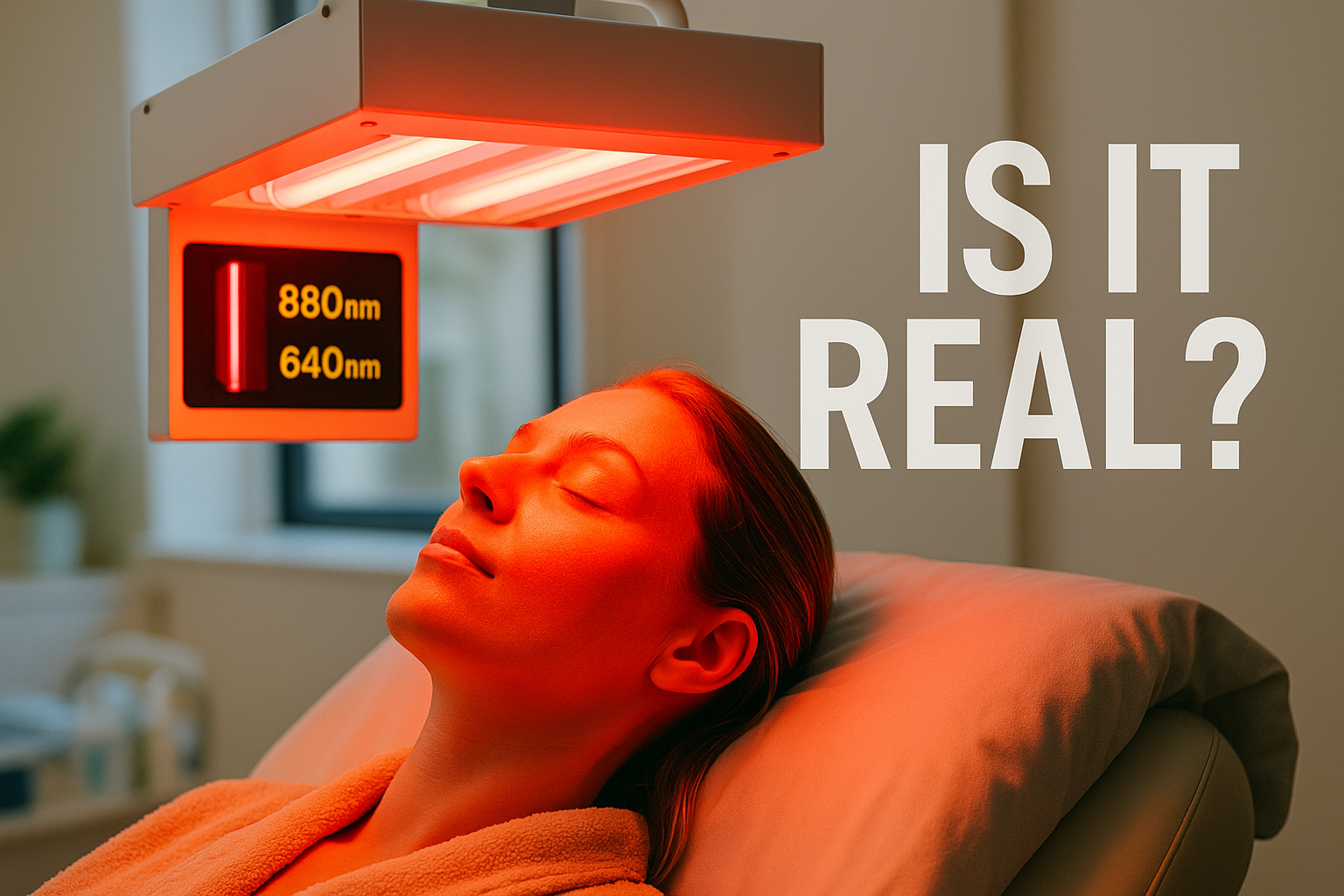
If you've ever felt drowsy — or even fallen asleep — during a Celluma session, you're not imagining it, and nothing is wrong. This article explains exactly why it happens, what it means biologically, and why it's actually a sign your therapy is working.
Feeling sleepy during red light therapy is normal — and it's a positive sign. When Celluma triggers a surge in cellular energy (ATP), your body redirects that energy from keeping you mentally alert toward tissue repair. The vagal nerve activates, shifting your nervous system into a parasympathetic (rest and repair) state. This is called somnolence, and it means the therapy is working at depth.
Most first-time Celluma users say the same thing: "I almost fell asleep during my session." Some do fall asleep, wake up 30 minutes later when the device shuts off automatically, and feel unexpectedly well-rested. This surprises them. It should reassure them. The drowsiness you feel during a medical-grade LED session is not a side effect — it is a clinical marker that the therapy has crossed the threshold into deep tissue activation.
Here is the complete biological explanation, step by step.
Step 1: The ATP Surge — Your Cells Get an Energy Injection
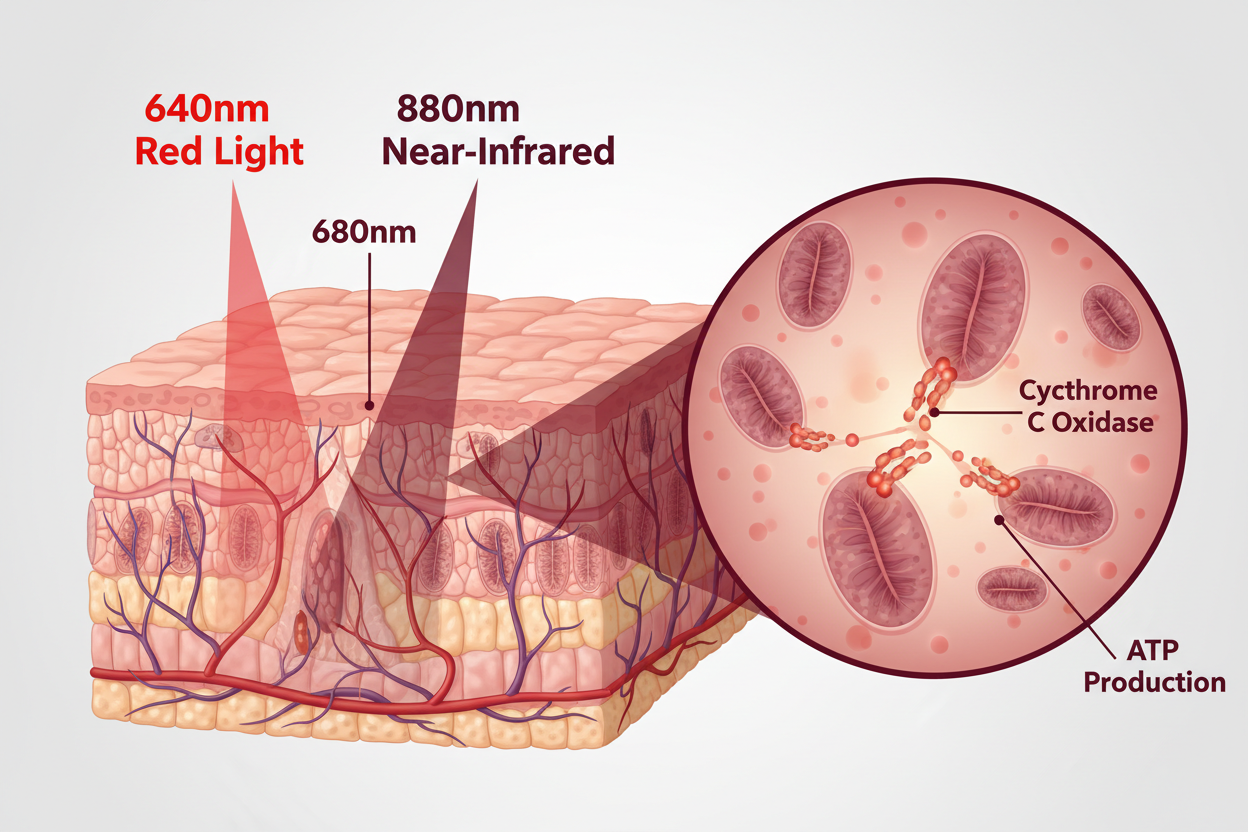
Celluma's red (640nm) and near-infrared (880nm) wavelengths are absorbed by Cytochrome c Oxidase — a protein in the mitochondrial respiratory chain. This absorption triggers a rapid increase in the production of ATP (adenosine triphosphate) — the molecule that powers virtually every biological process in your body.
In simple terms: your cells suddenly have significantly more energy available than they normally would. This spike in cellular energy is the foundation of every therapeutic outcome from photobiomodulation — collagen synthesis, inflammation reduction, tissue repair, hair regrowth. The energy surge is what makes the therapy work.
Step 2: Vagal Nerve Activation — Your Body's Recovery Switch
To redirect energy toward internal repair, the body engages the vagal nerve — the primary nerve of the parasympathetic nervous system. The vagal nerve is sometimes called the body's "rest and repair" cable: when it activates, it triggers a cascade of physiological changes that downshift your level of mental arousal while upshifting your regenerative biology.
During a Celluma session, vagal activation produces:
-
→Cortisol reduction — the primary stress hormone is downregulated, breaking the stress-inflammation loop
-
→Heart rate variability (HRV) improvement — HRV increases, a recognised marker of nervous system recovery quality
-
→Cortical arousal suppression — the brain reduces its vigilance state, producing the drowsy feeling
-
→Lymphatic activity enhancement — waste removal increases while the body is in low-arousal, sedentary rest
Step 3: The Parasympathetic Shift — Your Optimal Repair State
The human nervous system operates on a spectrum between sympathetic dominance (fight-or-flight, alert, stressed) and parasympathetic dominance (rest-and-repair, calm, regenerating). Most people in modern urban environments — particularly in Singapore's high-stress work culture — spend the majority of their day in sympathetic dominance.
- Cortisol elevated
- Heart rate raised
- Digestion slowed
- Repair suppressed
- Inflammation higher
- Cortisol reduced
- HRV optimised
- Digestion active
- Cell repair active
- Inflammation lower
Medical-grade LED therapy — specifically the near-infrared (880nm) wavelength — is one of the most effective non-pharmacological tools for triggering this switch. The shift doesn't just feel good; it creates the physiological conditions in which fibroblasts synthesise collagen most efficiently, inflammation resolves most rapidly, and cellular energy is directed most productively.
The somnolence you feel is simply the subjective experience of this switch happening. It is your brain confirming that cortical vigilance has been deprioritised in favour of repair — exactly what you want from your session.
From Light Photon to Drowsiness — Step by Step
LED photons → absorbed by Cytochrome c Oxidase in mitochondria → ATP production increases → body recognises energy surplus → vagal nerve activates → cortisol drops → parasympathetic dominance → cortical arousal suppressed → somnolence onset → cellular repair maximised.
The somnolence is not the cause of the repair — it is the marker that repair is fully underway. One confirms the other.
Why Medical-Grade LED Produces This — and Consumer Masks Often Don't
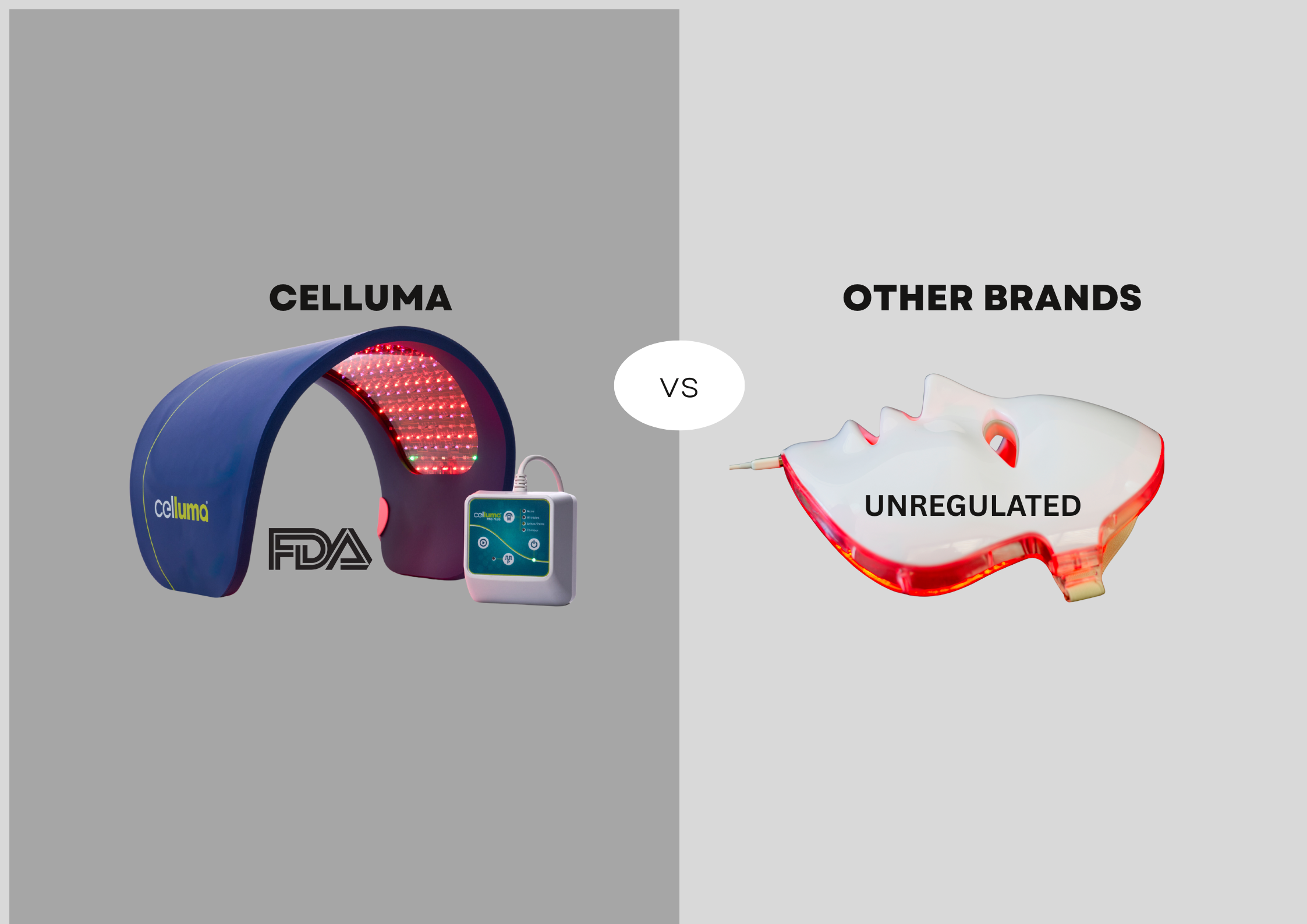
Not all LED devices produce the somnolence effect. The depth of parasympathetic engagement depends on the irradiance (mW/cm²) actually delivered to the tissue — which in turn depends on LED proximity, power output, and wavelength accuracy. Consumer masks with low irradiance at the skin surface do not trigger sufficient mitochondrial activation to produce the vagal response.
| Factor | Consumer LED Mask | Celluma Medical Device |
|---|---|---|
| Irradiance at Skin | Often below therapeutic threshold | Controlled clinical dose |
| Mitochondrial Activation | Surface only | Deep tissue ATP surge |
| Vagal Nerve Response | Minimal to none | Active parasympathetic shift |
| Somnolence Effect | Rarely reported | Consistently observed clinically |
| Cortisol Reduction | Negligible | Measurable decrease |
| FDA Class II Cleared | Rarely | ✓ Multiple indications |
This is one reason why the somnolence effect is itself a useful quality indicator. If you feel genuinely drowsy during a session, the device is almost certainly delivering therapeutic-level irradiance. If you feel nothing, check whether the device you're using is FDA-cleared and whether its LED panel is making zero-gap contact with your skin.
How to Make the Most of the Somnolence Effect
Rather than fighting the drowsiness or trying to stay awake during your session, lean into it. Here's how to maximise the therapeutic window the somnolence opens.
Session at Night
Schedule your session 30–60 minutes before your intended sleep time. The parasympathetic shift carries over — you'll fall asleep faster and spend more time in deep restorative sleep.
Lie Down, Not Sit
Lying flat deepens the parasympathetic response. The body interprets horizontal rest as an invitation to repair. Sitting up keeps some sympathetic activation active.
No Screens During Session
Blue-light screen use maintains cortical arousal and partially counteracts the vagal shift. Allow the parasympathetic transition to happen uninterrupted.
Let Yourself Sleep
The 30-minute auto-shutoff means the device stops safely. Falling asleep doesn't interrupt the session — the light continues delivering its dose, and the repair state deepens.
Pair with Evening Wind-Down
Combine the session with magnesium, a cool room, and reduced lighting to amplify the parasympathetic conditions the LED initiates.
Post-Session Serum
ATP-energised, post-parasympathetic skin has heightened cellular receptivity — apply any active serum immediately after your session for maximum absorption.
Frequently Asked Questions
Red light therapy triggers a surge in ATP production via Cytochrome c Oxidase. To direct this energy toward tissue repair rather than cortical alertness, the vagal nerve activates and shifts the nervous system into parasympathetic dominance — the rest-and-repair state. The drowsiness (somnolence) is the subjective experience of that shift. It is normal, beneficial, and a sign the therapy is working at depth.
Yes — completely normal and actually positive. Falling asleep means your body has fully entered parasympathetic dominance, the optimal state for collagen synthesis, inflammation reduction, and cellular repair. The device's 30-minute auto-shutoff operates safely whether you are awake or asleep.
Yes. Near-infrared light (880nm) reduces cortisol and activates the parasympathetic nervous system — both prerequisites for restorative sleep. Regular evening Celluma sessions are associated with faster sleep onset, improved HRV during sleep, and reduced sleep disruption — particularly for those managing chronic stress.
Let it happen. The somnolence means your body has redirected energy from cognitive processing to cellular repair — exactly what you want. Lie down, put down your phone, and allow the parasympathetic state to deepen. The 30-minute session continues delivering its full dose safely whether you sleep or not.
Consumer LED masks typically deliver irradiance below the therapeutic threshold needed to trigger mitochondrial activation at depth. The somnolence effect requires sufficient irradiance to activate Cytochrome c Oxidase and produce a measurable ATP surge. If you feel nothing, the device may not be delivering clinical-level doses — check whether it is FDA-cleared and whether the panel maintains zero-gap skin contact.
Experience the Somnolence Effect
for Yourself
Explore FDA-cleared Celluma devices — or WhatsApp our team to find the right one for your recovery and skin goals.

Tinggalkan komentar
Situs ini dilindungi oleh hCaptcha dan berlaku Kebijakan Privasi serta Ketentuan Layanan hCaptcha.