
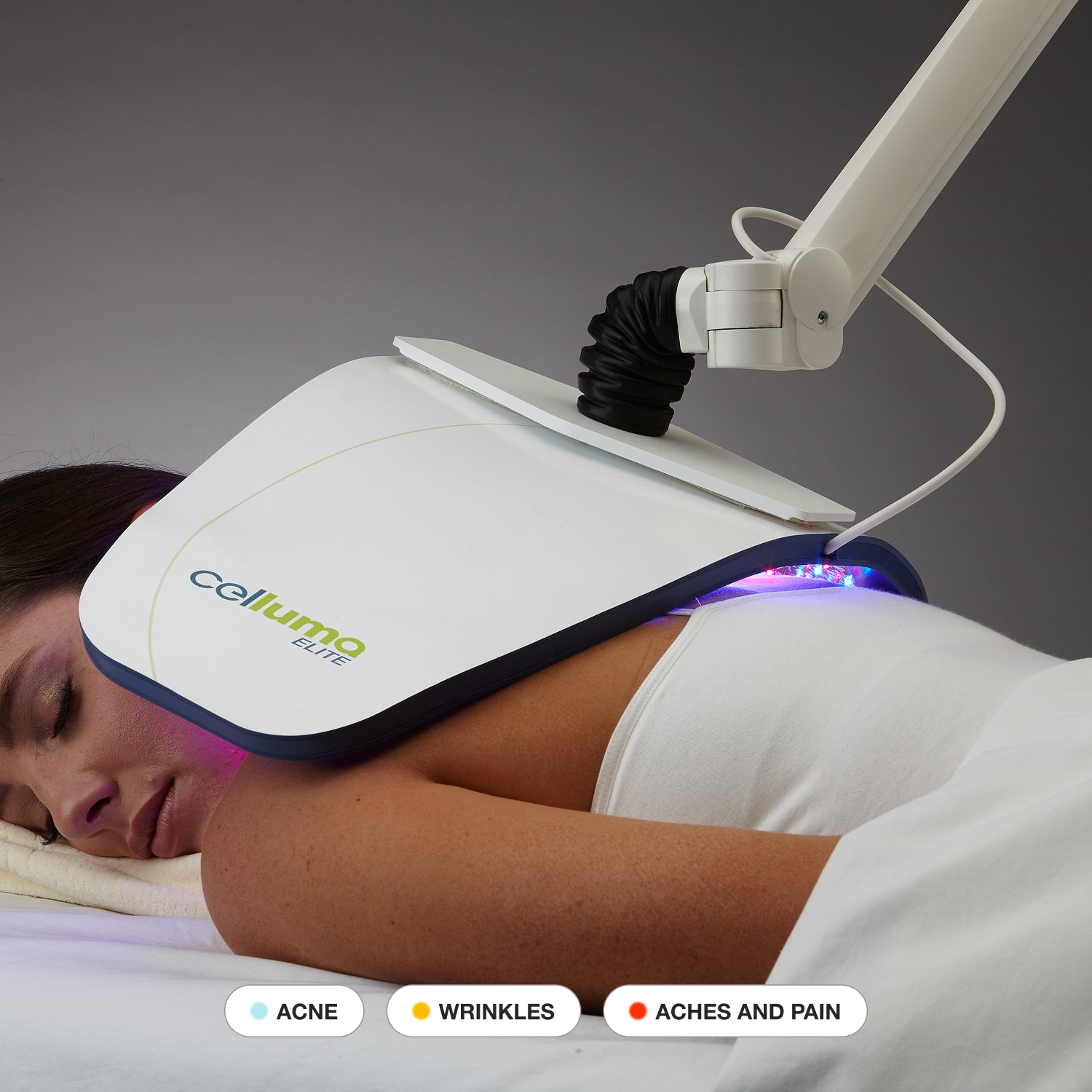
The Definitive Guide to
Red Light Therapy
How photobiomodulation works at the cellular level, what it treats, what separates a clinical device from a beauty gadget, and what to expect from a proper protocol.
Red light therapy (photobiomodulation / PBM) is a non-invasive clinical treatment that uses specific wavelengths of light to activate the mitochondria of cells, triggering increased ATP production, collagen synthesis, inflammation reduction, and bacterial elimination. At 640nm, it stimulates dermal fibroblasts for anti-aging. At 880nm, it reaches deep tissue for pain management. At 465nm, it destroys acne bacteria. It is not heat — it is a photochemical reaction at the cellular level, with FDA Class II medical device clearance for specific therapeutic indications.
The Bottom Line: Red Light Therapy is a clinical intervention using specific wavelengths to catalyse cellular energy. By activating Cytochrome c Oxidase and optimising ATP production, it facilitates dermal repair, mitigates bacterial acne (465nm), catalyses collagen synthesis (640nm), and manages systemic pain (880nm). The key word is clinical — the mechanism is real, extensively peer-reviewed, and FDA-validated. But only if the device delivers the correct wavelength, at the correct dose, in the correct proximity.
1. What Is Red Light Therapy?
Red light therapy — known in clinical settings as Photobiomodulation (PBM) — is the use of specific, calibrated wavelengths of visible red and near-infrared light to trigger photochemical reactions at the cellular level. It is not heat therapy. It is not UV. It is a precise optical intervention at the molecular scale.
The term “red light therapy” covers a spectrum of devices and claims. What separates genuine therapeutic photobiomodulation from decorative LED gadgets is the precision of the wavelengths used, the irradiance delivered at the tissue surface, the session duration, and the regulatory oversight applied to the device. Without all four, you have light — but not therapy.
2. How Does Red Light Therapy Work?
The mechanism of red light therapy operates at the mitochondrial level. Every cell in your body contains mitochondria — the organelles responsible for producing ATP (adenosine triphosphate), the universal energy currency of cellular function. When mitochondria are stressed — by inflammation, aging, UV damage, or injury — their energy output declines and repair processes slow down.
Cytochrome c Oxidase (CCO) is the primary photon receptor in the mitochondria. Research by Karu et al. (1995, 2008) established that CCO has specific absorption peaks at approximately 640nm and 880nm. When photons at these exact wavelengths reach CCO, they trigger a photochemical cascade:
At 465nm, a different mechanism applies: porphyrins in P. acnes bacteria absorb the blue photons and generate Singlet Oxygen — a reactive molecule that destroys the bacterial membrane from the inside out. This photodynamic mechanism is selective: it targets only cells containing the porphyrin chromophore, leaving surrounding skin tissue unaffected.
3. What Does Red Light Therapy Treat?
Celluma's FDA clearances cover specific, independently reviewed therapeutic indications. Here are the primary clinical applications:
Anti-Aging & Wrinkles
Stimulates fibroblasts to produce Collagen Type I and III. Reduces fine lines, restores firmness and elasticity.
640nm RedAcne Clearance
465nm destroys P. acnes via Singlet Oxygen. 640nm reduces the inflammatory response driving cystic breakouts.
465nm + 640nmPain Management
880nm NIR penetrates to 6–10mm to reduce inflammation, support tissue repair, and modulate pain pathways.
880nm NIRHair Stimulation
Optimises the scalp cellular environment to support natural hair growth and slow follicle miniaturisation.
640nm + 880nmWound Healing
Accelerates tissue repair by increasing ATP availability for cellular reconstruction and inflammation control.
640nm + 880nmMuscle Recovery
Reduces exercise-induced inflammation and oxidative stress. Shortens recovery time between training sessions.
880nm NIR4. Wavelength Penetration: The Trichromatic Standard
Penetration depth is determined strictly by wavelength. A medical-grade device must provide exact nanometre precision to reach the target tissue at the correct depth:
| Wavelength | Tissue Depth | Primary Chromophore | Clinical Outcome |
|---|---|---|---|
| 465nm Blue | 1–2mm (Epidermis) | Porphyrins in P. acnes | Bacterial destruction & acne clearance |
| 640nm Red | 4–6mm (Dermis) | Cytochrome c Oxidase | Collagen synthesis, anti-aging, wound healing |
| 880nm NIR | 6–10mm (Deep tissue) | CCO & tissue macrophages | Pain relief, inflammation, muscle recovery |
5. The Arndt-Schulz Curve: Why Dose Matters
In phototherapy, the Dose-Response Curve (Arndt-Schulz Law) is critical. It defines three zones based on total energy delivered (fluence in J/cm²) at the tissue surface:
Celluma is factory-calibrated to deliver the exact fluence required for the therapeutic zone in a 30-minute session — the duration validated in the clinical evidence supporting every FDA 510(k) clearance. This is not arbitrary. It is the scientifically required duration at Celluma's tissue-level irradiance.
6. What Separates a Clinical Device from a Gadget?
Five criteria must be simultaneously satisfied for a device to produce the clinical outcomes documented in peer-reviewed research:
Exact Wavelength Calibration
640nm red and 880nm NIR — not “broad-spectrum red.” CCO absorption peaks are specific. Missing by 20nm produces a significantly reduced photochemical response.
Zero-Gap Flexible Design
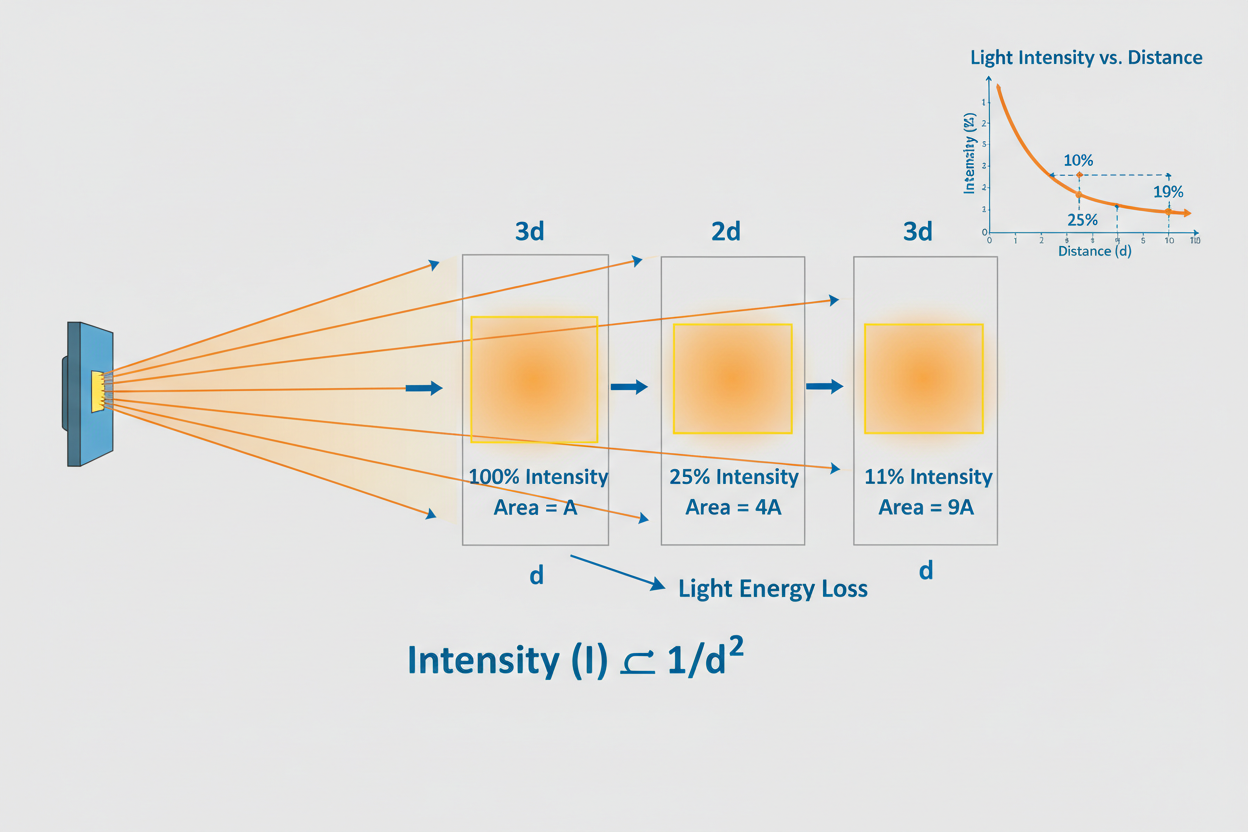
Rigid panels create air gaps on curved anatomy. The Inverse Square Law reduces irradiance to ~6% at 4 inches. A flexible panel eliminates all gaps, delivering 100% of rated irradiance to every contour.
30-Minute Session Protocol
3-minute consumer sessions deliver ~1–2 J/cm² — below the 4–6 J/cm² biostimulatory threshold. 30 minutes is the clinically validated duration for anti-aging and pain indications.
Therapeutic Fluence (Joules)
Total energy at tissue surface matters, not source brightness. Celluma delivers 4–6 J/cm² consistently at skin level — in the therapeutic window, not the inhibitory zone.
Pulsed Delivery (PWM)
Pulse Width Modulation prevents cellular saturation, allows higher safe peak irradiance per burst, and produces superior collagen synthesis at equivalent total energy versus continuous wave (Barolet, 2008).
7. What Results to Expect and When
Red light therapy produces cumulative results over a sustained protocol. Collagen takes time to synthesise and integrate — patience and consistency determine outcomes.
Skin inflammation and redness reduce
Anti-inflammatory effect of 640nm activates early. Acne redness visibly decreases. Skin feels calmer. Energy levels often improve due to systemic ATP effect.
Texture improvement and early collagen response
New collagen fibres begin forming in the dermis. Fine lines begin to soften. Skin texture becomes more even. Acne lesions noticeably smaller and fewer.
Visible lifting, firming, and structural improvement
Collagen integrating into the dermal matrix produces measurable skin thickness increase. Sagging around the jawline visibly reduces. Pain management patients report sustained relief.
Full protocol results established
Deep wrinkles and significant photoaging show meaningful improvement. New collagen is fully integrated. Results sustain with a maintenance protocol of 1–2 sessions per week.
The Celluma Standard.
Celluma meets all five criteria and holds independent regulatory clearance in four of the world's most rigorous jurisdictions — validating both safety and efficacy for specific named indications.
Cleared
Conformité
Goods Admin
Licensed
Red Light Therapy Q&A
Red light therapy (photobiomodulation) is a non-invasive clinical treatment using specific light wavelengths to activate Cytochrome c Oxidase in cell mitochondria, triggering an ATP energy surge that powers tissue repair, collagen synthesis, inflammation reduction, and bacterial elimination. 640nm red stimulates dermal fibroblasts for anti-aging. 880nm NIR reaches deep tissue for pain management. 465nm blue destroys acne bacteria. It is a photochemical reaction — not heat — with FDA Class II clearance for specific therapeutic indications.
Initial improvements are typically visible within 2–4 weeks at 3–4 sessions per week. Skin texture and inflammation improve first. Visible collagen improvement and wrinkle reduction become apparent at weeks 4–6. Significant structural anti-aging results require 8–12 weeks of sustained protocol. Consistency matters more than intensity — regular 30-minute sessions outperform occasional intensive use.
Yes. FDA-cleared red light therapy is non-thermal, non-UV, and safe for all skin tones including Fitzpatrick types IV–VI. It does not damage DNA, cause burns, or produce ionising radiation. Celluma is FDA Class II cleared — independently reviewed for both safety and efficacy. Precautions: do not look directly at the LED array without eye protection, and consult a doctor if taking photosensitising medications.
640nm red light activates Cytochrome c Oxidase in fibroblast mitochondria, triggering ATP production that powers collagen Type I and III synthesis via the TGF-β pathway. Clinical outcomes include reduced fine lines, restored skin firmness, improved texture and tone, accelerated wound healing, and reduced photoaging. Results are cumulative over 8–12 weeks at 3–4 sessions per week.
Yes. 465nm blue light is absorbed by porphyrins in P. acnes bacteria, generating Singlet Oxygen that destroys the bacterial membrane from the inside out. Combined with 640nm red light to reduce inflammation, Celluma's dual-wavelength acne protocol treats both the infection and the immune response driving redness. Meaningful improvement typically within 2–4 weeks at 3–4 sessions per week.
Five criteria: (1) FDA Class II 510(k) clearance with a verifiable K-number; (2) Exact wavelengths — 640nm and/or 880nm; (3) Flexible panel for zero-gap skin contact; (4) 30-minute session protocol; (5) PWM pulsing. Most consumer beauty gadgets fail all five simultaneously — producing light but not therapy.
The validated protocol is 3–4 sessions per week, not daily. The Arndt-Schulz biphasic dose response defines an inhibitory ceiling — daily use at clinical irradiance can push past the therapeutic threshold and produce diminishing returns. Once treatment goals are achieved, 1–2 sessions per week sustains the results.
Red light therapy is non-ablative — it stimulates the body's own repair mechanisms without damaging tissue. Lasers create controlled thermal damage to trigger repair. PBM has no downtime and no recovery period. Ablative laser treatments involve 3–14 days of healing. Both can address collagen and skin quality but through completely different mechanisms at completely different risk profiles.
Disclaimer: Celluma is an FDA-cleared, medically-listed device. Please consult with a healthcare professional to develop a clinical protocol for your specific condition. © 2026 Celluma Asia | Clinical Phototherapy & Dermal Science

Tinggalkan komentar
Situs ini dilindungi oleh hCaptcha dan berlaku Kebijakan Privasi serta Ketentuan Layanan hCaptcha.