
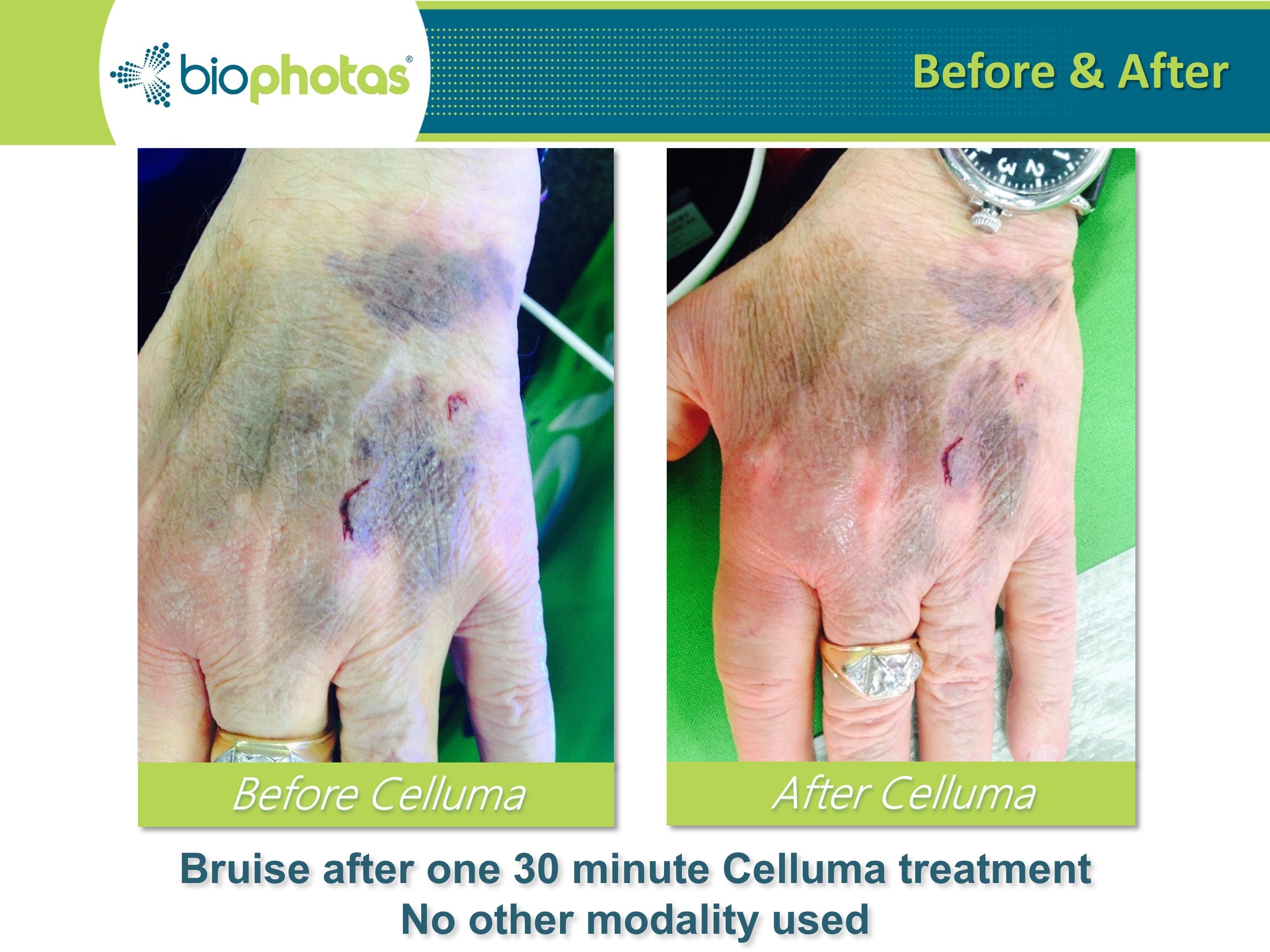
Red Light Therapy for Wound Healing: How Photobiomodulation Accelerates Every Stage of Tissue Repair
Red light therapy accelerates all 4 stages of wound healing — haemostasis, inflammation, proliferation and remodelling. FDA-cleared Celluma devices for faster tissue repair in Singapore.
Every wound your body repairs — from a surgical incision to a sports injury to a chronic diabetic ulcer — passes through four distinct biological stages. Each stage has different cellular requirements and different rate-limiting factors. Red light therapy accelerates all four stages by addressing the most fundamental rate-limiting factor shared by every one of them: insufficient cellular energy. When cells have the ATP they need, tissue repair proceeds at its biological maximum.
The 4 Stages of Wound Healing — And How PBM Accelerates Each
Platelets aggregate and the clotting cascade activates to stop bleeding. PBM at 640nm enhances platelet activation and growth factor release from platelets (PDGF, TGF-β) — the chemical signals that recruit the repair cells that follow.
Neutrophils and macrophages clear debris and bacteria. Necessary but must resolve promptly — chronic wounds are stuck here. PBM modulates macrophage polarisation from pro-inflammatory (M1) to pro-healing (M2 phenotype), accelerating the transition to the proliferation stage.
Fibroblasts produce new collagen. Angiogenesis creates new blood vessels. Keratinocytes resurface the wound. This is the stage most dramatically accelerated by PBM — all three cell types are directly activated by CCO photon absorption and ATP production.
Type III collagen is replaced by stronger Type I collagen. Scar tissue matures and contracts. PBM reduces excessive scarring by regulating matrix metalloproteinases (MMPs) and modulating TGF-β1 signalling — producing flatter, less prominent scars.
Yes, and across multiple wound types. Meta-analyses of photobiomodulation for wound healing consistently show reduced healing time, increased collagen density, improved angiogenesis, and reduced scar formation. The mechanism — ATP-driven cellular activation via Cytochrome c Oxidase — accelerates the biological processes already programmed into your body's repair system. PBM doesn't introduce anything foreign; it removes the energy constraint that slows natural healing.
Which Wound Types Respond to Red Light Therapy
Accelerated incision closure, reduced scar formation, faster return to normal tissue architecture.
One of the most studied applications — PBM addresses the microvascular and inflammatory dysfunction that causes chronic non-healing in diabetic wounds.
Muscle tears, ligament sprains, tendon injuries — all respond to the fibroblast activation and angiogenesis that PBM drives in the proliferation stage.
Used extensively in aesthetic medicine after laser resurfacing, microneedling, and chemical peels to accelerate skin recovery and reduce downtime.
Studies show improved healing rates and reduced scarring in superficial burns. Not appropriate for deep burns — always seek medical care first.
Clinical evidence supports PBM for Stage I–III pressure ulcers, particularly in improving perfusion and collagen deposition in affected tissue.
The Angiogenesis Effect — Why Blood Supply Is the Key
One of the most clinically significant effects of PBM on wound healing is angiogenesis — the formation of new blood vessels. Wound healing fails in many chronic cases precisely because the wound site lacks adequate blood supply to deliver the oxygen, nutrients, and immune cells that repair requires.
PBM stimulates the release of VEGF (Vascular Endothelial Growth Factor) — the primary molecular signal for new vessel formation. Combined with the nitric oxide released during CCO activation (which dilates existing vessels), this dramatically improves perfusion of the wound bed. More blood flow = more oxygen = faster collagen synthesis = faster closure.
Scar Reduction — The Remodelling Stage Advantage
Standard wound healing produces Type III collagen rapidly but disorganised — this is scar tissue. Over months, Type I collagen replaces it in a more organised structure. PBM modulates this process by regulating TGF-β1 — the primary driver of fibrosis — reducing the overproduction of disorganised collagen that leads to hypertrophic or keloid scars.
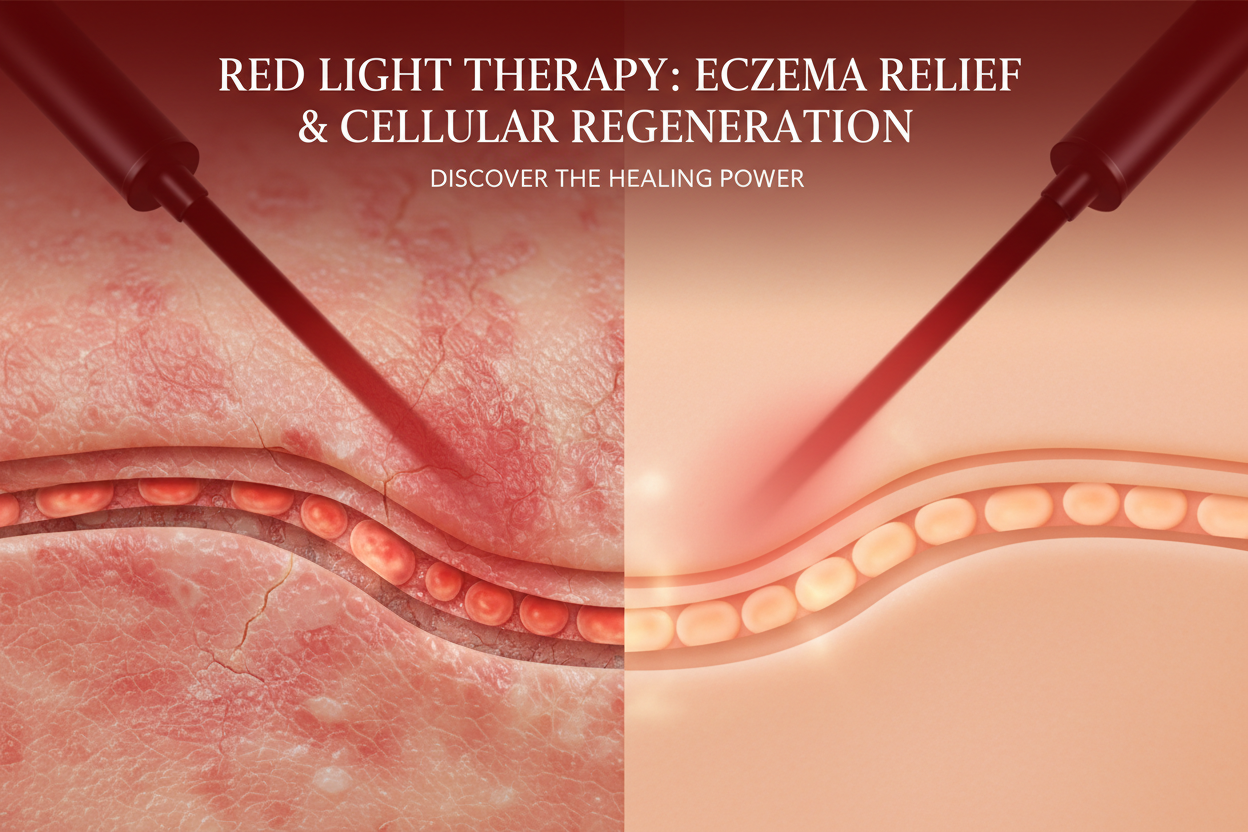
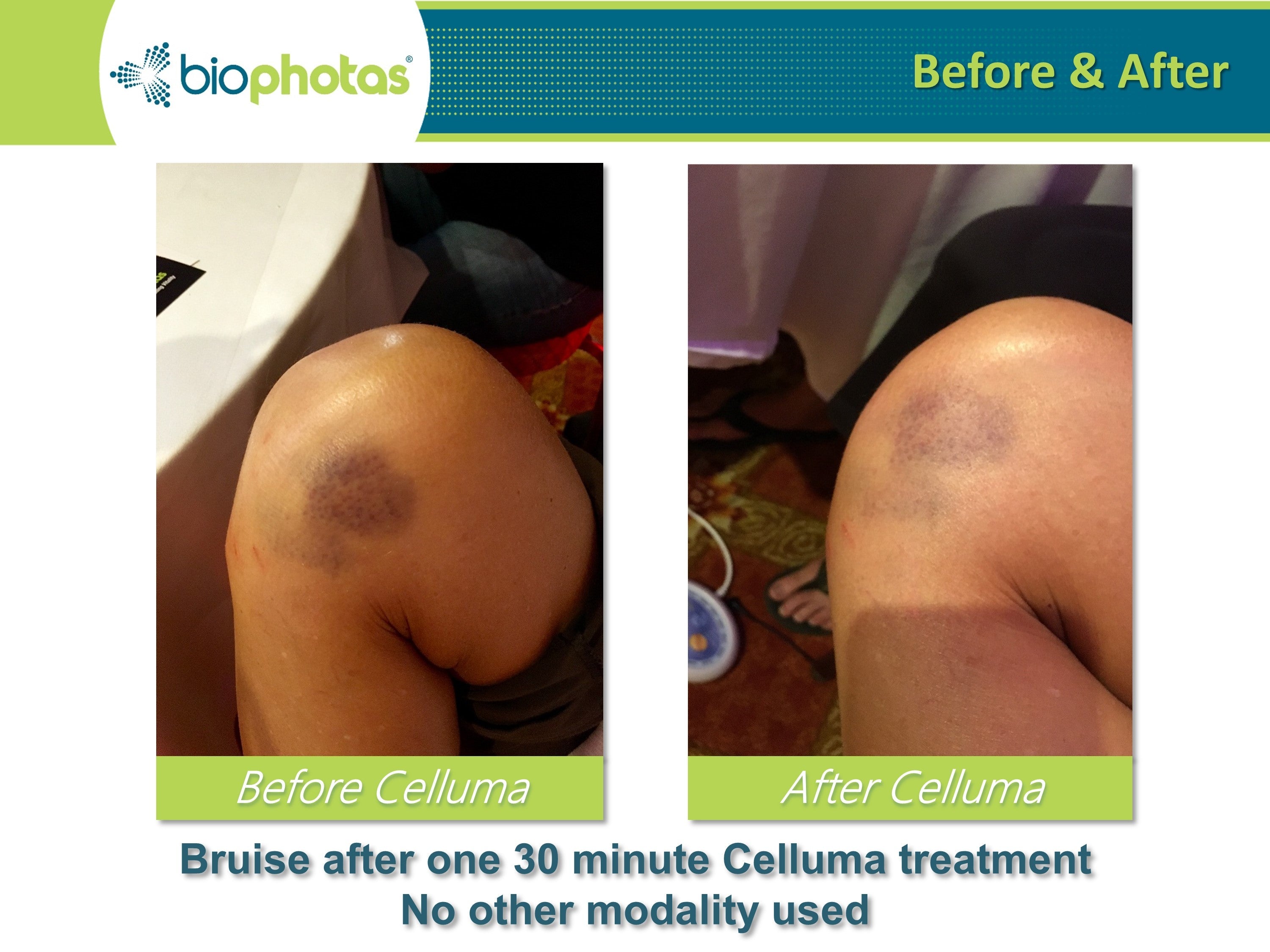
Starting PBM sessions within 48–72 hours of wound closure (not on open wounds) and continuing through the remodelling phase produces the best scar outcomes. Many aesthetic practitioners use Celluma as a standard post-procedure protocol for exactly this reason.
Protocol for Wound Healing
Celluma Devices for Wound Healing
Frequently Asked Questions
Yes. Meta-analyses of photobiomodulation for wound healing consistently show reduced healing time, increased collagen density, improved angiogenesis and reduced scar formation. PBM activates Cytochrome c Oxidase in wound-site cells, producing an ATP surge that accelerates fibroblast proliferation, macrophage polarisation to the healing phenotype, keratinocyte migration and new blood vessel formation — the four core cellular processes of tissue repair.
Red light therapy accelerates all four stages of wound healing. In haemostasis it enhances platelet growth factor release. In inflammation it shifts macrophages from pro-inflammatory (M1) to pro-healing (M2) phenotype. In proliferation it activates fibroblasts to produce collagen and stimulates VEGF-driven angiogenesis. In remodelling it modulates TGF-β1 to reduce excessive scarring. The mechanism is ATP restoration via Cytochrome c Oxidase activation — cells with adequate energy repair at their biological maximum.
PBM has measurable effects at all stages but is most dramatically effective during the proliferation stage (approximately days 4–21). This is when fibroblasts, endothelial cells and keratinocytes all require high ATP output for collagen synthesis, angiogenesis and wound resurfacing. Daily sessions during this window produce the greatest impact on healing speed, collagen quality and scar reduction.
FDA-cleared LED therapy at 640nm and 880nm is non-thermal, non-ionising and non-ablative. For serious wounds, infected wounds, diabetic ulcers or deep tissue injuries, use as an adjunct to professional medical care, not as a replacement. For minor closed wounds and post-procedure skin, it is safe to begin once the wound surface is closed — typically 24–72 hours after injury or procedure.
Effects on the inflammatory phase are measurable within the first week — reduced swelling, redness and pain. Fibroblast collagen production peaks in the proliferation stage (week 1–3). Visible wound closure acceleration is typically apparent at 1–2 weeks of daily use. Scar quality improvement continues through the remodelling phase (weeks to months). Consistent daily sessions during active healing produce the best outcomes.
Diabetic wounds are one of the most studied applications of PBM. They fail to heal due to microvascular dysfunction (poor blood supply), impaired macrophage function, and oxidative stress. PBM addresses all three: nitric oxide release improves microvascular perfusion, macrophage polarisation is normalised, and oxidative stress is reduced via ATP-driven cellular repair. Multiple clinical trials show improved healing rates in diabetic ulcers with consistent PBM use.
Both 640nm and 880nm contribute to wound healing at different tissue depths. 640nm targets surface wounds and stimulates fibroblasts in the dermis. 880nm penetrates deeper (6–30mm) to reach deeper tissue injuries, improve blood supply through larger vessels, and address inflammation in underlying muscle and connective tissue. For deep wounds, 880nm dominant mode is preferred. For superficial skin wounds, 640nm or combined mode works best.
Yes — post-surgical use is one of the most clinically supported applications of PBM. Starting within 24–72 hours of wound closure (once the incision is sealed), daily sessions accelerate healing, reduce bruising and swelling, and significantly improve scar outcomes by modulating the collagen remodelling process. Many aesthetic surgeons and dermatologists recommend Celluma as a standard post-procedure protocol.
Experience Clinical Results.
FDA-cleared devices for real conditions.
Explore Celluma — calibrated to the exact wavelengths your cells respond to.

Tinggalkan komentar
Situs ini dilindungi oleh hCaptcha dan berlaku Kebijakan Privasi serta Ketentuan Layanan hCaptcha.