Sains untuk keseharian
Jerawat atau Rosacea? Kenali Tandanya Sebelum Memilih Perawatan
Pahami perbedaan jerawat dan rosacea, keluhan yang perlu diperiksakan, serta peran Celluma untuk jerawat yang sesuai.
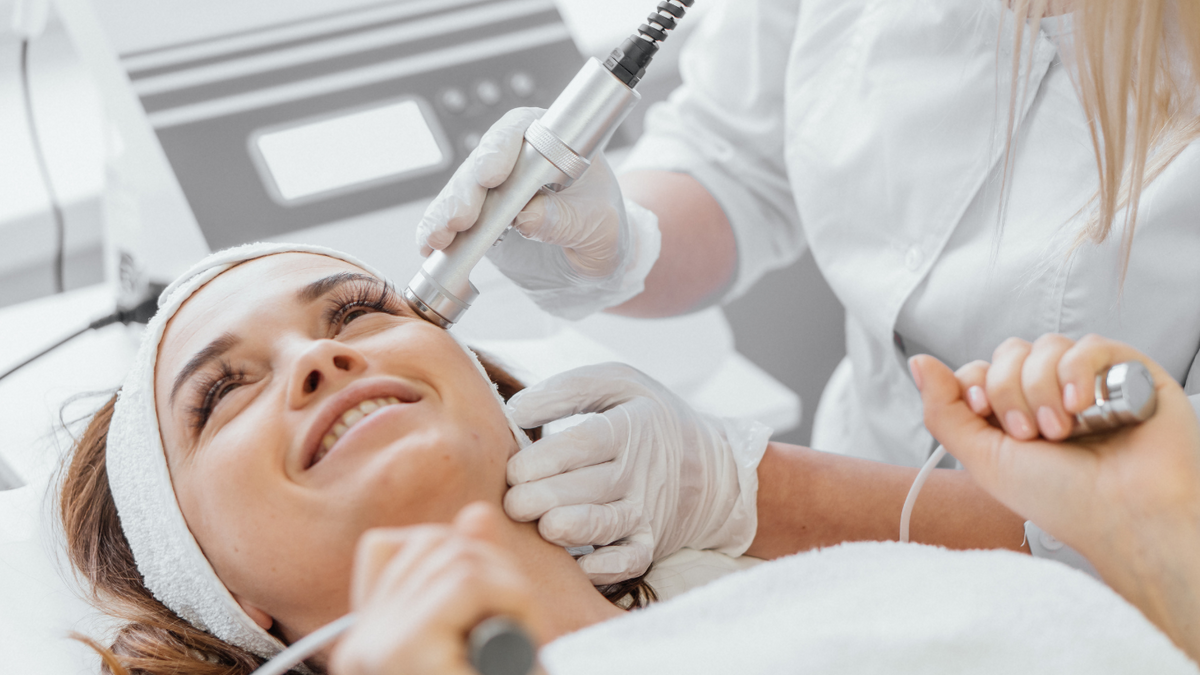
Gambar utama: koleksi Celluma.
The Celluma Journal · Diperbarui
Jerawat dan rosacea sama-sama dapat menimbulkan bintil, tetapi tujuan perawatannya bisa berbeda. Komedo merupakan petunjuk jerawat; wajah mudah memerah, perubahan warna menetap di tengah wajah, dan pembuluh terlihat dapat mengarah ke rosacea. Keduanya juga dapat terjadi bersamaan. Diagnosis membantu memilih perawatan yang tepat.
Lihat keseluruhan pola keluhan
Jerawat biasanya mencakup komedo, lesi meradang, dan terkadang benjolan dalam. Rosacea dapat menimbulkan papul atau pustul bersama wajah mudah memerah atau perubahan warna menetap. Komedo hitam dan putih bukan ciri khas rosacea.
Panduan AAD tentang gejala jerawat dan tanda rosacea menjelaskan polanya. Sampaikan juga rasa terbakar, perih, pembuluh terlihat, dan keluhan pada mata.
Foto membantu mencatat perubahan, tetapi satu gambar belum menunjukkan seluruh riwayat. Ceritakan pola kekambuhan, rasa tidak nyaman, serta produk yang sudah dicoba.
Rosacea tidak selalu tampak merah terang
Pada kulit lebih gelap, perubahan warna bisa tampak kecokelatan atau keunguan dan lebih sulit terlihat. Rasa hangat menetap, perih, serta bengkak juga penting. Tidak terlihat merah terang bukan berarti rosacea pasti tidak ada.
Panduan AAD tentang rosacea pada kulit gelap membahas tanda tersebut. Jangan menganggap semua bintil adalah jerawat atau rosacea hanya terjadi pada satu warna kulit.
Usia dan lokasi keluhan memberi petunjuk, tetapi diagnosis tetap memerlukan riwayat dan pemeriksaan secara menyeluruh.
Sesuaikan perawatan dengan diagnosis
Dokter kulit dapat menargetkan keluhan utama: lesi meradang, perubahan warna menetap, atau pembuluh terlihat. Panduan perawatan rosacea AAD menjelaskan mengapa masing-masing bisa membutuhkan pendekatan berbeda.
Sebagian bahan digunakan untuk beberapa kondisi, tetapi formulasi serta petunjuknya tetap penting. Tidak semua produk jerawat otomatis berbahaya bagi rosacea, dan eksfoliasi kuat bukan solusi untuk semua bintil.
Pembersih lembut, pelembap, dan tabir surya spektrum luas yang cocok menjadi dasar sederhana. Jika produk terus menimbulkan rasa terbakar atau memperburuk kulit, mintalah saran; iritasi bukan bukti produk bekerja.
Kenali pemicu pribadi
Sebagian orang mengalami kekambuhan saat panas, terpapar matahari, berolahraga, atau mengonsumsi makanan tertentu. Pemicu berbeda-beda. Catatan singkat membantu tanpa pantangan panjang yang belum tentu perlu.
Panduan pemicu AAD menyarankan mengenali pola masing-masing. Penyesuaian dapat berupa berteduh, berolahraga di tempat lebih sejuk, atau mengganti produk yang mengiritasi.
Keluhan mata perlu dinilai tersendiri. Sampaikan mata merah, iritasi, atau terasa berpasir. Nyeri mata, silau yang tidak biasa, atau perubahan penglihatan memerlukan pemeriksaan medis segera; perawatan wajah saja tidak mengatasi masalah mata.
Tentukan tujuan terapi LED
Program Celluma Acne ditujukan untuk aplikasi jerawatnya. Ini bukan terapi yang sudah ditetapkan untuk rosacea, pembuluh wajah terlihat, atau wajah memerah menetap. Tanyakan perawatan yang langsung sesuai dengan keluhan tersebut.
Laser pembuluh darah dan intense pulsed light profesional berbeda dari perangkat LED rumahan. Tanyakan gejala yang ditargetkan, rangkaian perawatan, serta perawatan sesudahnya.
Jika terdapat jerawat meradang yang sesuai, pertimbangkan model Celluma dengan Acne untuk tujuan tersebut. Baca petunjuk terbaru dan diskusikan kesesuaiannya jika rosacea atau sensitivitas berat juga ada.
Panduan kemerahan jerawat kami membedakan lesi aktif, bekas, dan iritasi. Menjelaskan keluhan dengan tepat membantu menentukan tujuan perawatan.
Pertanyaan umum
Bisakah jerawat dan rosacea terjadi bersamaan?
Bisa. Dokter dapat mengenali ciri masing-masing dan menyusun rencana yang saling sesuai.
Bisakah kulit gelap mengalami rosacea?
Bisa. Perubahan warna mungkin kurang terlihat; laporkan rasa hangat, perih, bengkak, dan perubahan lainnya.
Apakah mode Celluma Acne mengobati rosacea?
Indikasi jerawat tidak otomatis menjadi indikasi rosacea. Pastikan diagnosis dan kesesuaian perangkat bersama dokter kulit.
Apakah wajah yang terus memerah perlu diperlakukan seperti jerawat?
Penyebab dan penanganannya bisa berbeda. Dokter kulit dapat menilai keluhan tersebut dan memilih perawatan yang tepat.