

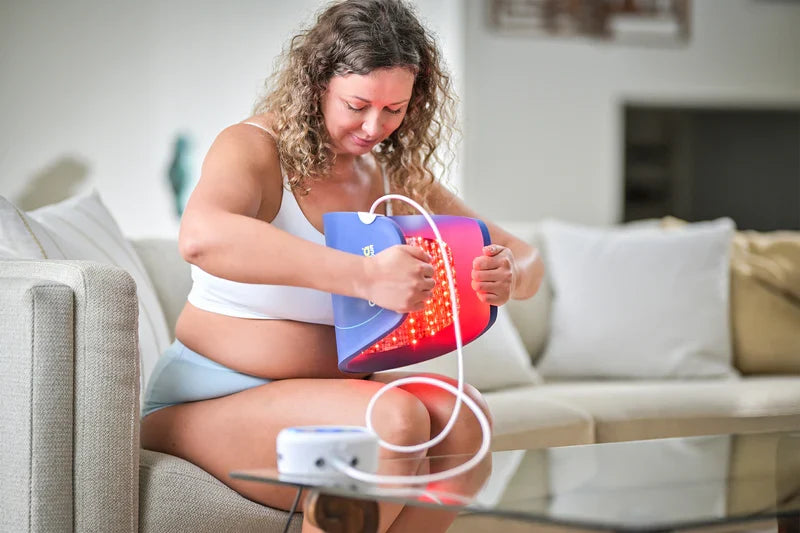
Featured image: Image from the Celluma collection.
The Celluma Journal · Updated
If you are not seeing the result you hoped for, review the treatment goal, programme, setup and time course before changing the dose. A suitable routine can still produce different responses in different people. The next step is to identify what can be checked, rather than assume that more power or longer sessions will solve the problem.
1. Check that the goal matches the programme
Different skin or body concerns can look similar in advertising. Active inflamed acne is different from blackheads or an established scar. Pattern hair loss is different from sudden shedding. Pain relief is different from structural repair of an injury.
Write down the specific outcome you want and confirm that your model and selected programme are intended for it. If the target does not match, changing session length will not resolve the mismatch. A clinical assessment can help when the underlying condition is uncertain.
2. Check the actual setup
Use the current manual for the exact model. Confirm the selected mode, power components, preparation and positioning. A photograph of your setup can help the support team understand a question without relying on a vague description.
Follow the intended fit and treatment distance. Do not press a panel into the skin because an online chart claims all air gaps ruin treatment. Equally, do not move it far from the intended position and assume the exposure remains the same.
3. Check how much of the course you have completed
Look at your session record rather than your memory of “using it regularly”. Did you complete the specified treatment, use the appropriate frequency and cover the intended area? A routine that is too inconvenient may need a simpler setup or a different format.
Missing a session is not a reason to blame yourself or add several cycles at once. Resume the instructed schedule. If the course is difficult to follow, discuss practical adjustments that remain within the device guidance.
4. Check whether you are measuring change fairly
For skin, use the same lighting, camera distance and expression. For hair, keep the parting and styling comparable. For circumference, use the same tape location and posture. Changes in those conditions can hide a real change or create the appearance of one.
Immediate brightness, warmth or relaxation is not a substitute for the outcome you selected. Nor does the absence of tingling mean a treatment is inactive. The relevant question is whether the target outcome changes across an appropriate review period.
5. Consider other influences and individual response
New skincare, a medication change, illness, sun exposure or another treatment can affect what you observe. Note these influences before attributing every change to the device. A person may also follow a suitable programme correctly and still not obtain the result they hoped for.
Clinical LED studies vary in their designs and protocols. Evidence of benefit in a group is not a guarantee for every individual. Texture, wrinkle and hair outcomes follow different courses, and the timing also varies from person to person.
6. Choose the next step based on what you find
If the uncertainty is operational, ask the supplier to review the model, mode and setup. If the question is whether the condition is suitable for light treatment, ask an appropriate clinician. Stop and check any unexpected discomfort rather than interpreting it as a sign of effectiveness.
Do not extend or intensify treatment as an experiment. Our dose guide explains why more exposure is not automatically better. For a clearer starting routine, see the Acne, Wrinkles or Hair guides.
If a different form factor would make an appropriate routine more practical, explore the Celluma range. A useful recommendation should explain how the programme and fit address your specific concern.
Frequently asked questions
Does no visible change after one session mean failure?
Not necessarily. Many intended outcomes are assessed after a repeated course. Review your model’s guidance and the appropriate outcome rather than expecting one exposure to establish a result.
Should I buy a more powerful panel?
Power alone does not explain performance. First check treatment fit, evidence, setup and the complete protocol. A higher number is not a reliable shortcut to a better result.
Could I be using the wrong programme?
Yes. Confirm the mode intended for your goal and available on your exact model. Shared light colours do not make Acne, Wrinkles, Hair and CONTOUR programmes interchangeable.
What information helps the support team?
Provide the model and generation, selected mode, your setup, session schedule and the outcome you are tracking. Include any unexpected behaviour or discomfort so the next step can be specific.


Dejar un comentario
Este sitio está protegido por hCaptcha y se aplican la Política de privacidad de hCaptcha y los Términos del servicio.