

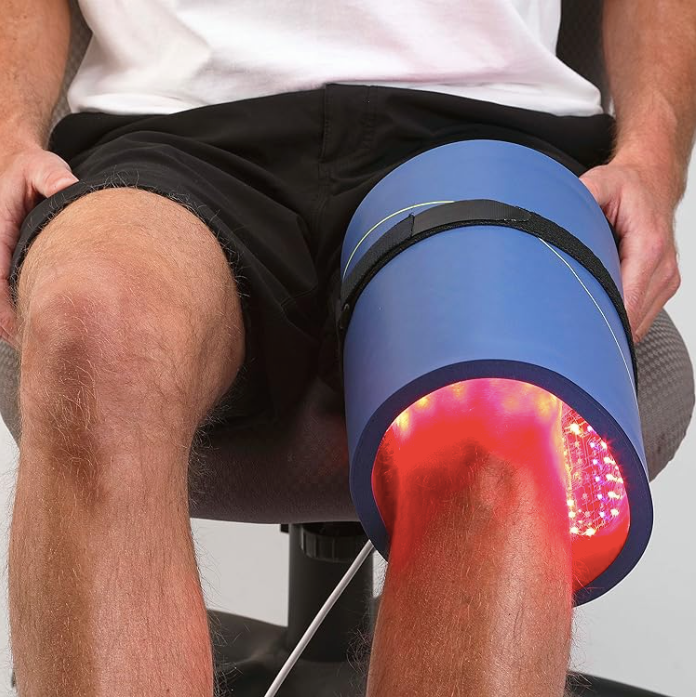
Featured image: Image from the Celluma collection.
The Celluma Journal · Updated
A well-supported LED device should have a clear identity, appropriate regulatory documentation, relevant testing, usable instructions and dependable support. Each answers a different question. A safety test does not prove every treatment claim, while a clearance record does not replace training, correct use or a written warranty.
Start with the exact product
Record the manufacturer, model, generation and intended market. Check that the label on the device matches the documentation and the product you are being sold. A familiar brand name alone is not enough when a range has several modes and generations.
Ask for the current manual before purchasing. It should make the intended use, programme selection, positioning, cleaning and suitability information understandable. For a clinic or spa, also consider how staff will repeat the setup across users.
Safety: check what the documents actually cover
Electrical, electromagnetic-compatibility and light-output testing address specific aspects of device performance. Ask which product and configuration were tested, and whether the report is current and traceable. A photograph of an isolated certificate without its scope provides limited information.
Technical testing belongs alongside the manual’s eye guidance and other precautions. A claim that a device has no possible side effects is not a substitute for instructions. The published Celluma CONTOUR submission is an example of a record that distinguishes device characteristics, testing and intended use.
Effectiveness: connect the claim to the evidence
If FDA clearance is claimed, find the record in the official database. Match the device and named indication. Our FDA terminology guide explains why clearance, approval and registration should not be used interchangeably.
Then ask how the supporting research relates to the outcome you want. Laboratory measurements, clinical results and regulatory substantial equivalence answer different questions. Research on mitochondria can help explain a mechanism, but evidence for the specific treatment outcome tells you more about what a device can do for your goal.
Consistency: look at the programme and repeatable setup
Preset modes can make the treatment routine easier to repeat. Ask which programme corresponds to the intended goal, what the timer controls and how the user should position the device. Consistent operation is a practical advantage, but it does not mean every person’s biological response will be identical.
For professional use, consider whether the treatment area is accessible, whether supports are stable and how the device will be cleaned between users. These details help you understand how the device delivers a repeatable treatment routine.
Ease of use, training and warranty matter too
Ask for a demonstration with the actual model. Can you select the mode easily? Is the fit comfortable? Will the format work in your treatment room or at home? A device that suits the routine is easier to use as intended.
Confirm who provides setup guidance, staff training where relevant and help with operating questions. Read the written warranty: duration, coverage, exclusions, service location and how a claim is made. Do not assume that an imported unit has the same local support arrangements as the product offered by the authorised local supplier.
Check the applicable market, then make a confident choice
International marks and authorisations belong to their own regulatory systems. Ask for the specific documentation relevant to the product and market rather than treating FDA, CE, TGA and Health Canada references as interchangeable badges. In Singapore, HSA provides medical device and dealer search resources that can help verify relevant records.
For Celluma, compare the available models using this framework: suitable indication, clear evidence, repeatable programme, comfortable setup and documented support. It works equally well for a home user and a professional evaluating a device for regular service delivery.
Frequently asked questions
Does a safety test prove a device reduces wrinkles?
No. Safety and performance tests answer defined technical questions. A treatment claim needs evidence and the appropriate regulatory basis for that intended use.
Is an FDA registration certificate enough?
Registration is not clearance or approval. Ask for the actual regulatory basis for the product and compare the named indications with the advertised claims.
Why should professionals ask about training?
A device must fit into a repeatable service routine. Training can clarify programme selection, positioning, cleaning and escalation of operating questions across the team.
What should I verify about warranty support?
Read the written terms for the exact purchase: what is covered, for how long, where service is provided and who handles the claim. Confirm local arrangements before relying on them.


Dejar un comentario
Este sitio está protegido por hCaptcha y se aplican la Política de privacidad de hCaptcha y los Términos del servicio.