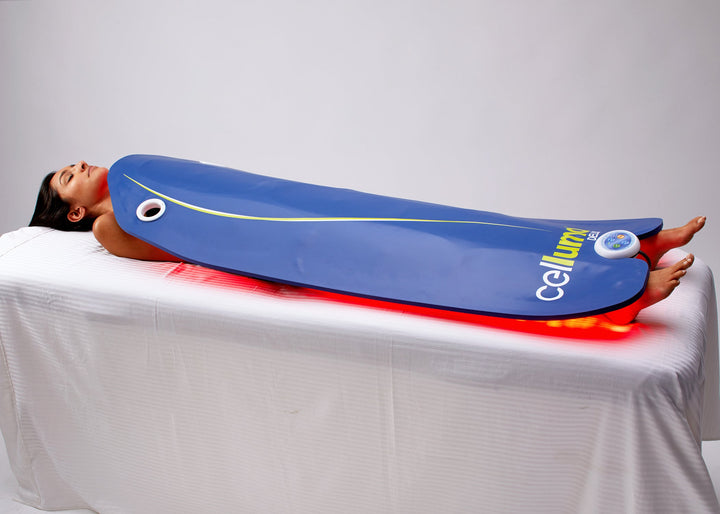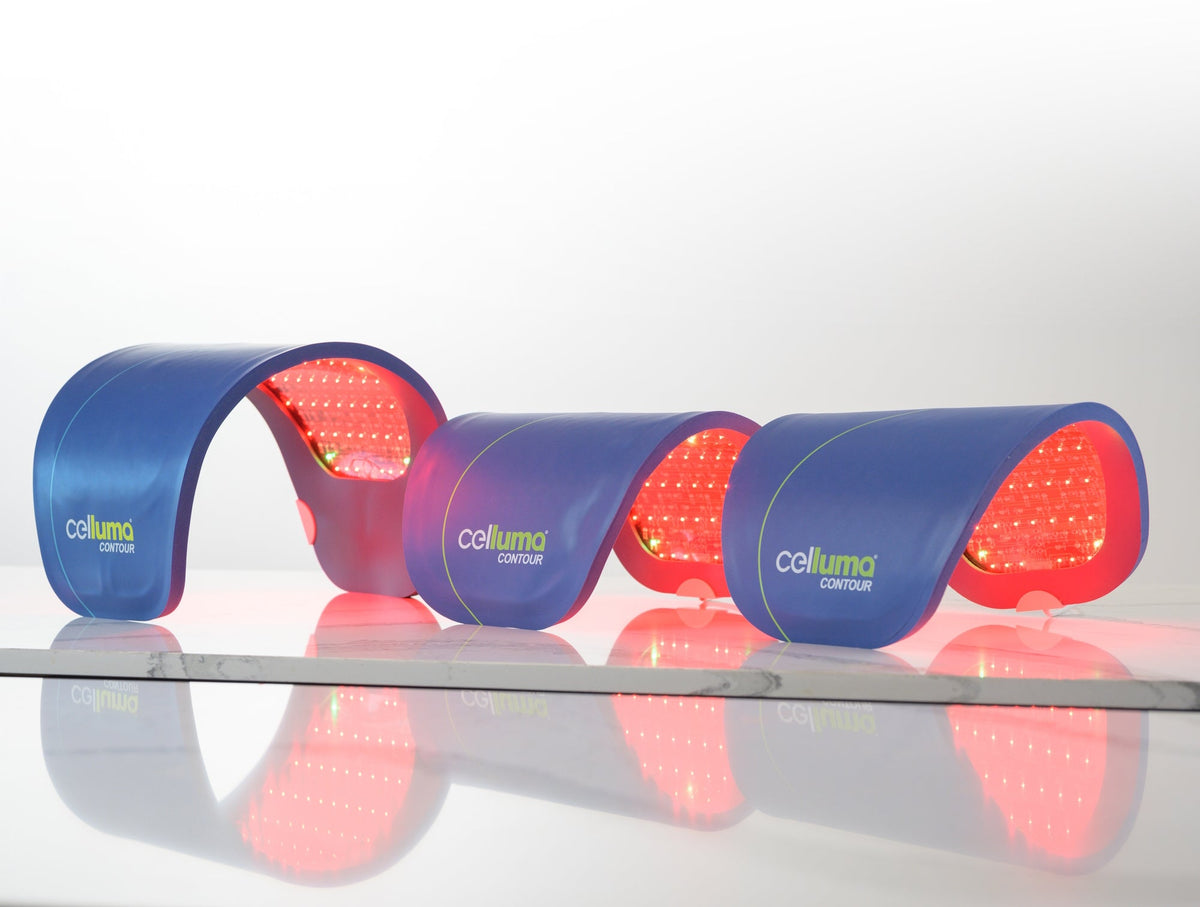
Featured image: Image from the Celluma collection.
The Celluma Journal · Updated
Mitochondria are dynamic parts of cells, involved in energy metabolism and signalling. Their quality-control systems are an important research topic in ageing. That does not mean normal tiredness is mitochondrial disease, or that an LED device has been shown to prevent ageing-related disease by “repairing the cellular engine”.
Quality control is more than making energy
Cells maintain mitochondrial function through several interacting processes. Components are produced, damaged material can be removed, and mitochondrial networks change shape. Terms such as biogenesis, fission, fusion and mitophagy describe aspects of that maintenance.
The research on mitochondrial quality control in human ageing examines how these processes relate to health and resilience. It is a developing scientific field, not a ready-made treatment prescription for every healthy adult.
Four terms you may see in wellness advertising
| Term | Plain-language meaning |
|---|---|
| Biogenesis | Production of mitochondrial components and expansion of mitochondrial capacity within a biological context. |
| Fission and fusion | Changes in how mitochondrial structures divide or join. |
| Mitophagy | Selective removal of mitochondrial material through cellular recycling processes. |
| Redox signalling | Chemical signals involving oxidation and reduction that help regulate cell responses. |
A product that mentions one of these pathways has not thereby demonstrated a clinical benefit. Ask whether the claim comes from cell experiments, animal research or an appropriate study in people.
Ageing research is not a diagnosis
Mitochondrial changes are part of a larger picture of ageing. The hallmarks-of-ageing framework includes multiple processes rather than a single cause with a universal timetable. Fixed claims of “1% mitochondrial decline every year” or a failure threshold in the forties do not describe every person or tissue.
Mitochondrial diseases are a separate clinical subject. MedlinePlus explains that genetic changes can disrupt mitochondrial function and affect several body systems. An online checklist of wrinkles, fatigue and slow recovery cannot diagnose those conditions.
How to assess red light therapy for your goal
PBM research examines cellular responses to controlled light exposure. Some studies investigate mitochondrial-related measurements; clinical studies assess particular outcomes. Moving from the first to the second requires evidence, and moving from one clinical application to another requires further evidence.
A wrinkles indication does not establish treatment of heart disease, cognitive decline or chronic fatigue. A skin panel placed over the chest does not become a treatment for the heart because heart cells contain many mitochondria. The intended use, target and delivered exposure still matter.
Read how to interpret mitochondrial light research for a practical way to separate mechanism, clinical outcome and device claims.
What to do with this information
Use biology to ask clearer questions rather than to create a long list of possible hidden problems. If you feel well and want a supported skin treatment, focus on the programme appropriate to that goal. If you have persistent, unexplained fatigue or a change in function, seek an assessment of that concern rather than self-diagnosing a mitochondrial deficit.
For everyday habits, see the practical guide to energy and mitochondrial health. For Celluma, compare the available programmes and formats and use the current instructions for the exact device. A clear treatment purpose is the bridge between interesting biology and a useful routine.
Frequently asked questions
Does mitochondrial dysfunction always mean a genetic disease?
No. The term can describe different findings in research or clinical contexts. A specific mitochondrial disorder requires appropriate assessment; it cannot be inferred from common symptoms alone.
Is more mitophagy always better?
Biological processes need regulation. Mentioning a pathway or increasing a laboratory marker is not enough to establish that a treatment improves health in people.
Can Celluma prevent age-related diseases?
The device should be used for its listed indications. General mitochondrial research does not establish prevention of cardiovascular, neurological or other age-related disease.
Are longevity claims the same as wrinkle claims?
No. Improving a measured skin outcome is different from extending lifespan or changing biological age. Each claim needs its own evidence.