
Proven Tips & Hacks for Maximizing Celluma LED Therapy Results
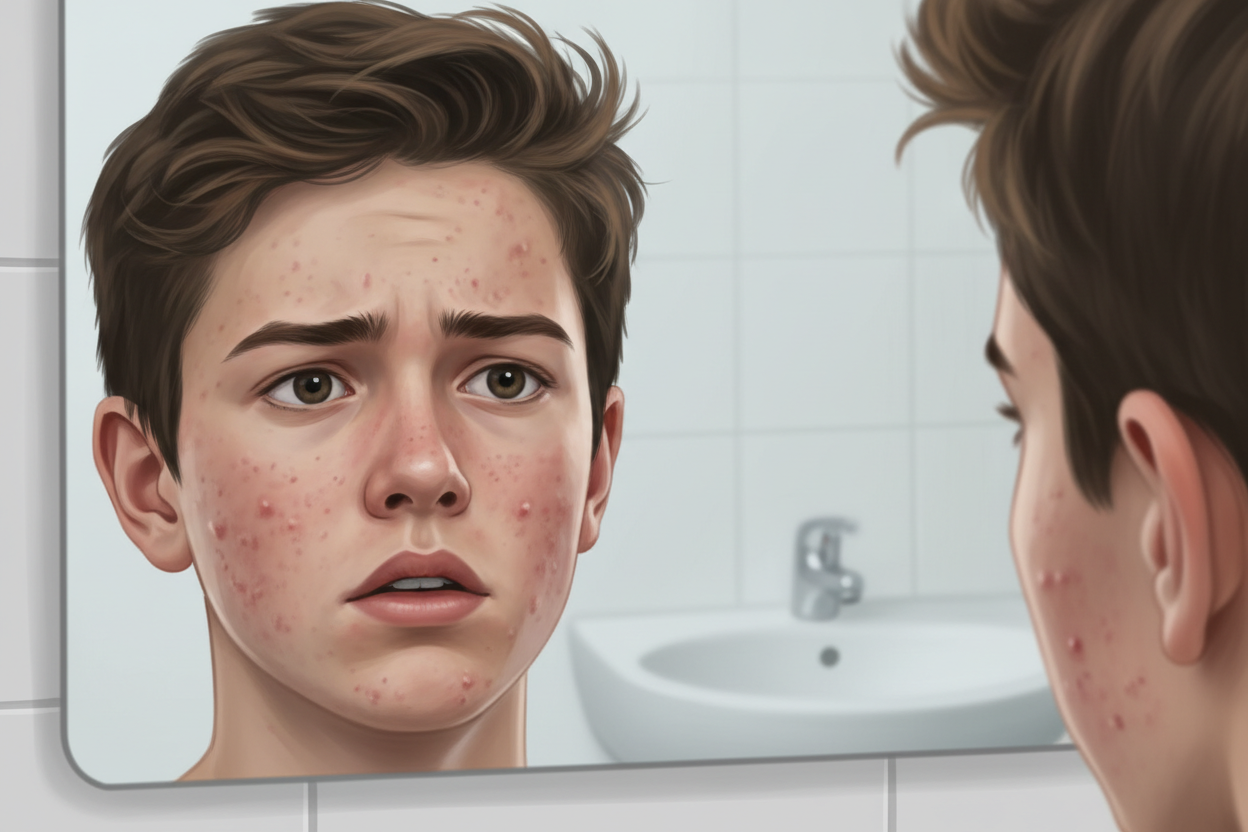
Teenage Acne Treatment Singapore
Teenage acne is driven by puberty androgen surge stimulating excess sebum — the food source for P. acnes bacteria. It is not caused by poor hygiene. The safest treatment for young skin: blue LED 46...
Read more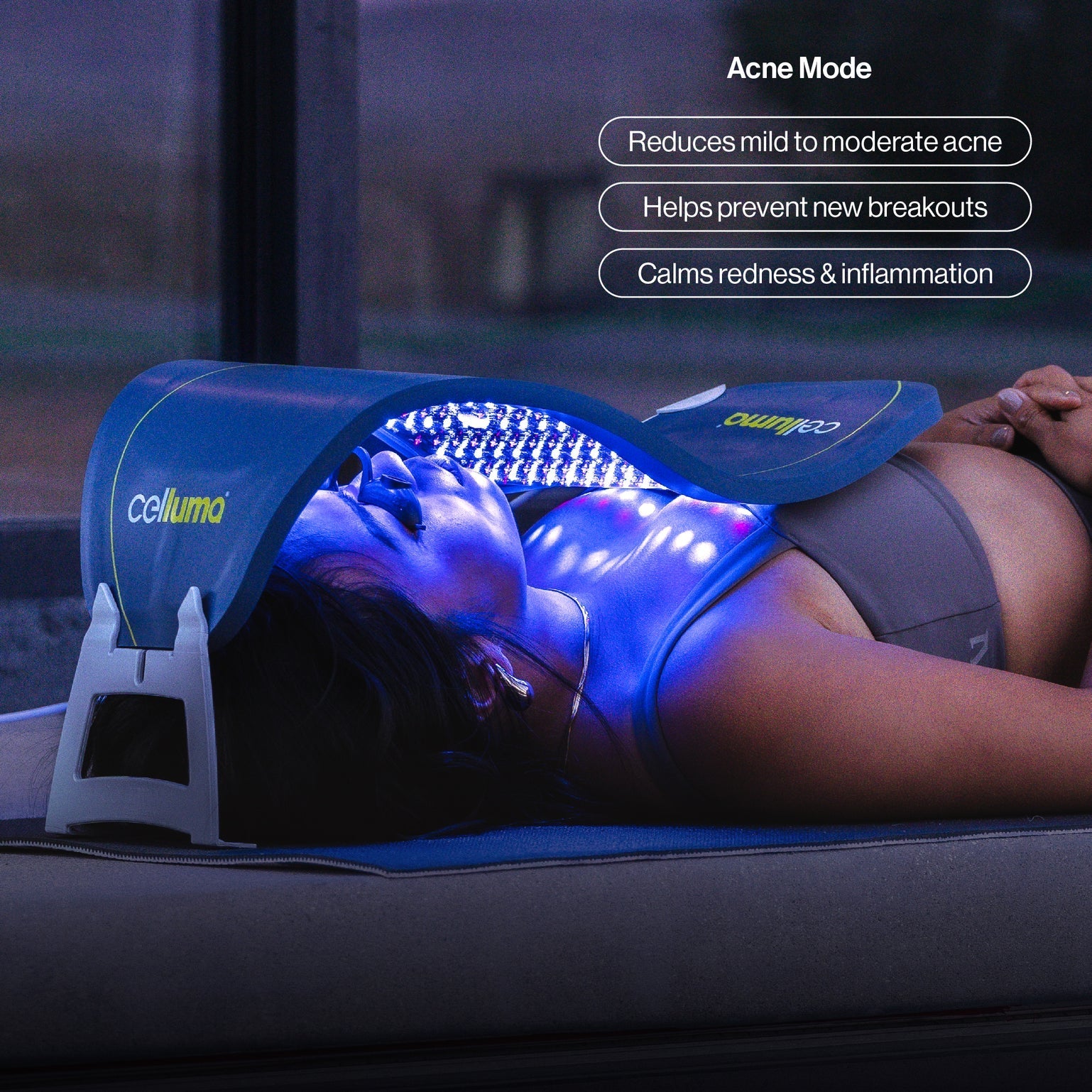
Is Blue Light Therapy Safe for Acne?
Blue LED at 465nm is FDA-cleared for acne and has an excellent safety profile backed by two decades of clinical use. The photodynamic mechanism is selective to P. acnes bacterial porphyrins — healt...
Read more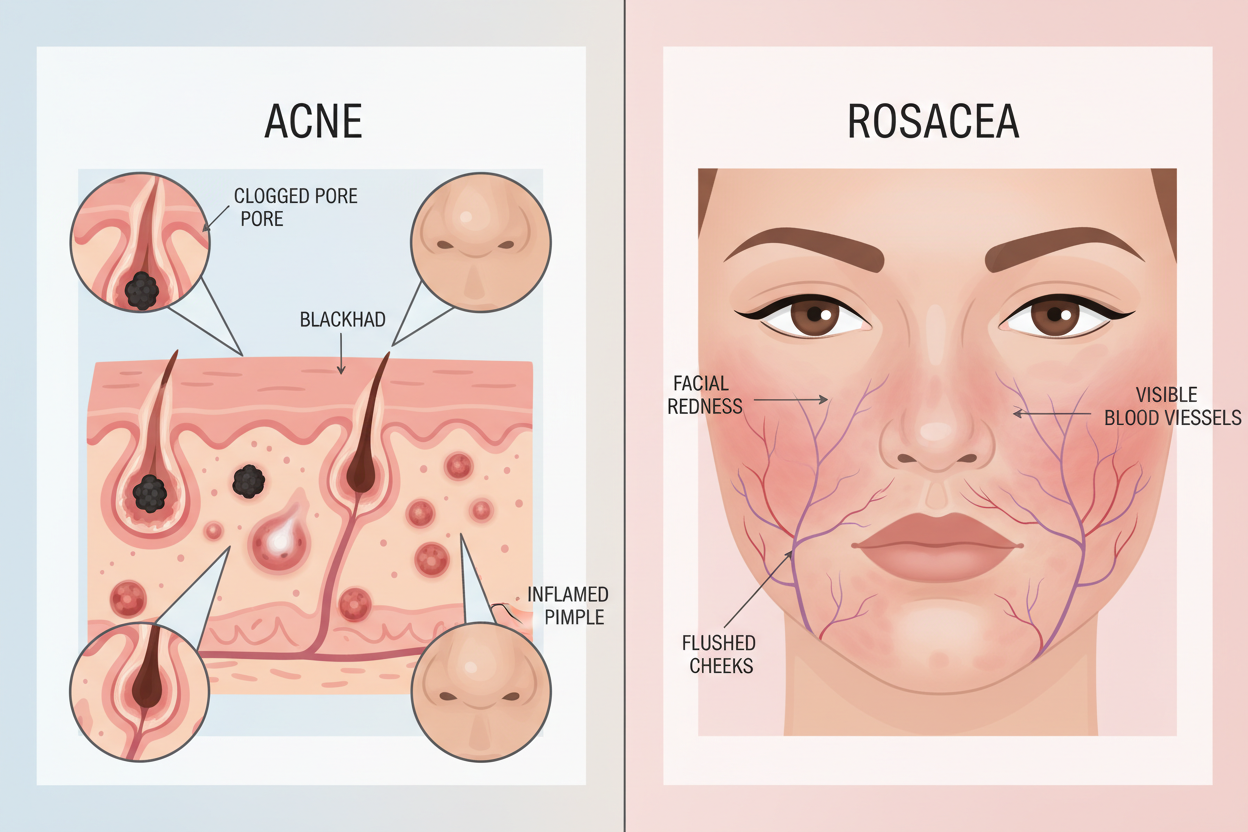
Acne vs Rosacea: How to Tell the Difference
Misidentifying rosacea as acne is a common and costly mistake — acne treatments like benzoyl peroxide and strong salicylic acid trigger rosacea flares and worsen the condition. The key difference: ...
Read more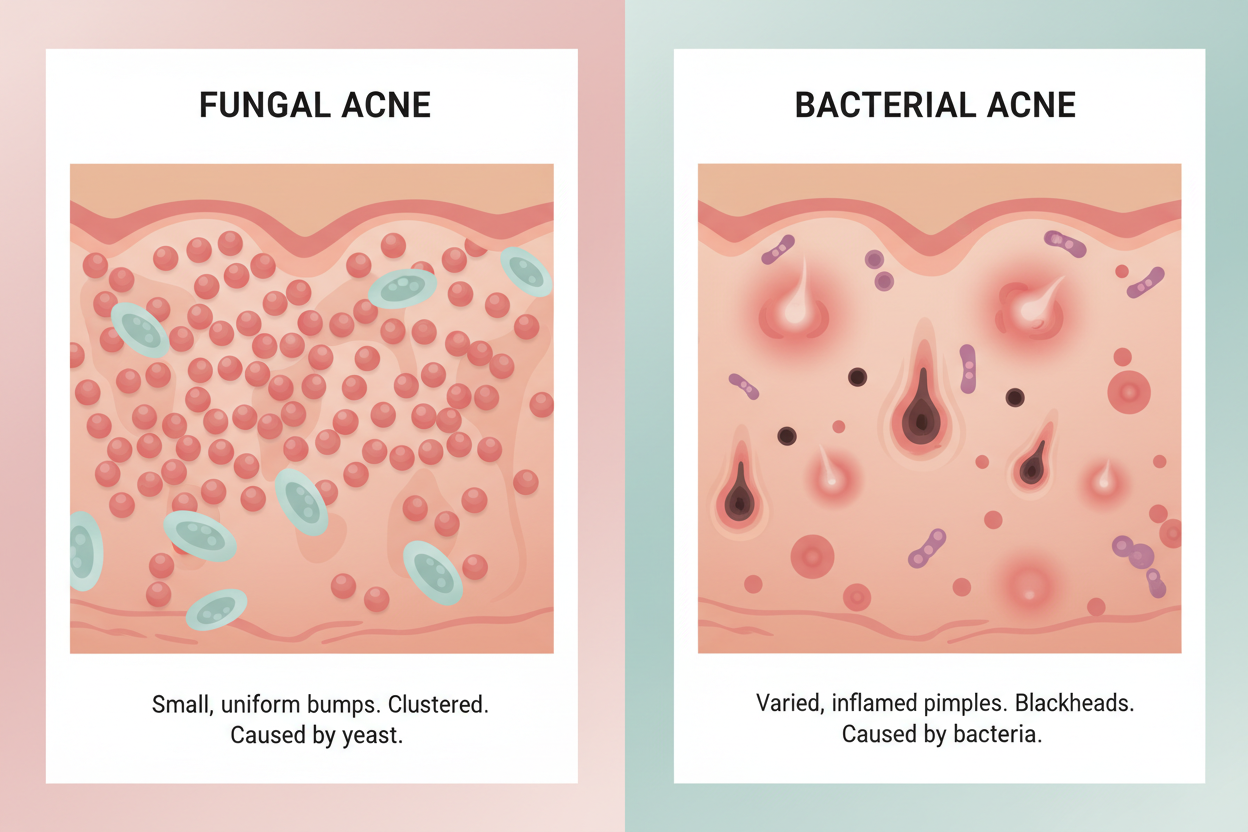
Fungal acne and bacterial acne look almost identical — but need completely opposite treatments. Fungal acne (Malassezia folliculitis) is caused by yeast, not bacteria, and requires antifungal treat...
Read more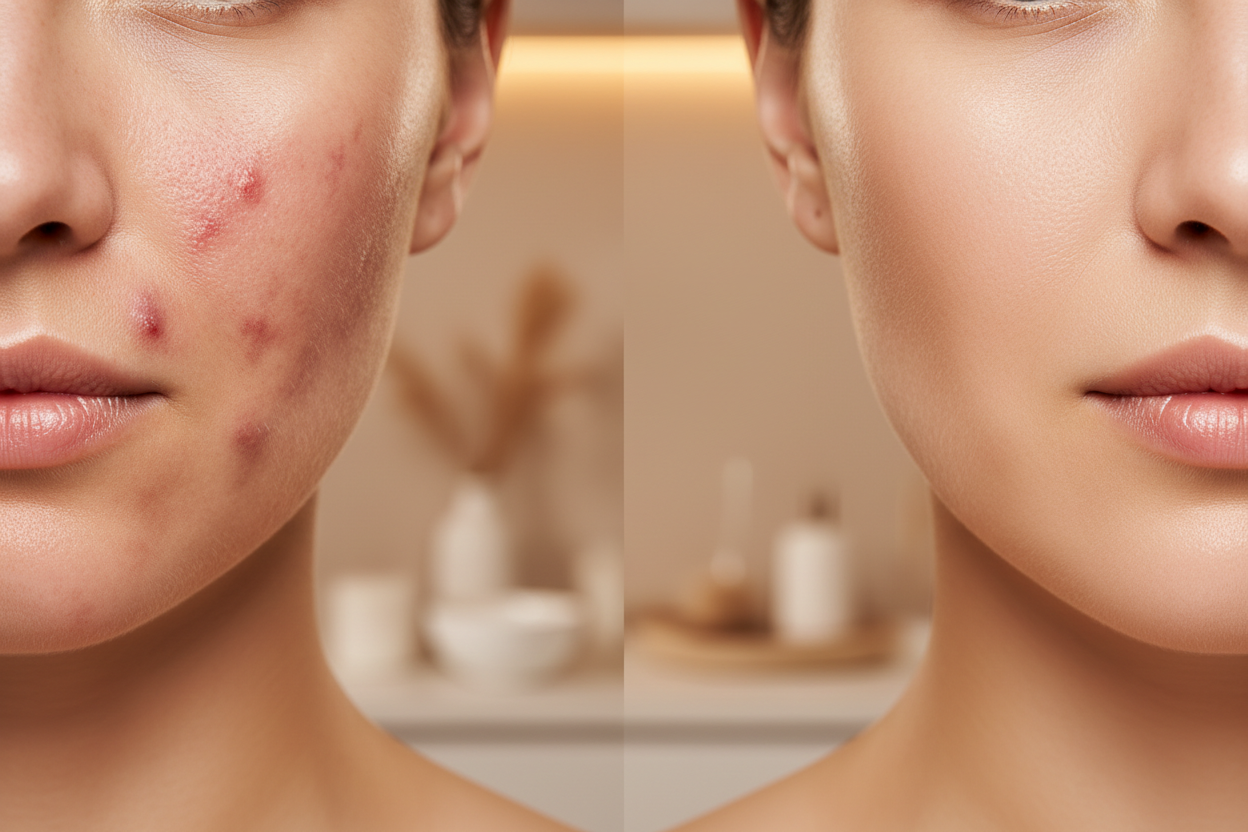
How to Fade Dark Spots from Pimples?
Dark spots after pimples are Post-Inflammatory Hyperpigmentation (PIH) — excess melanin triggered by the acne inflammation. In Singapore's high UV environment, they darken without daily SPF 50. The...
Read more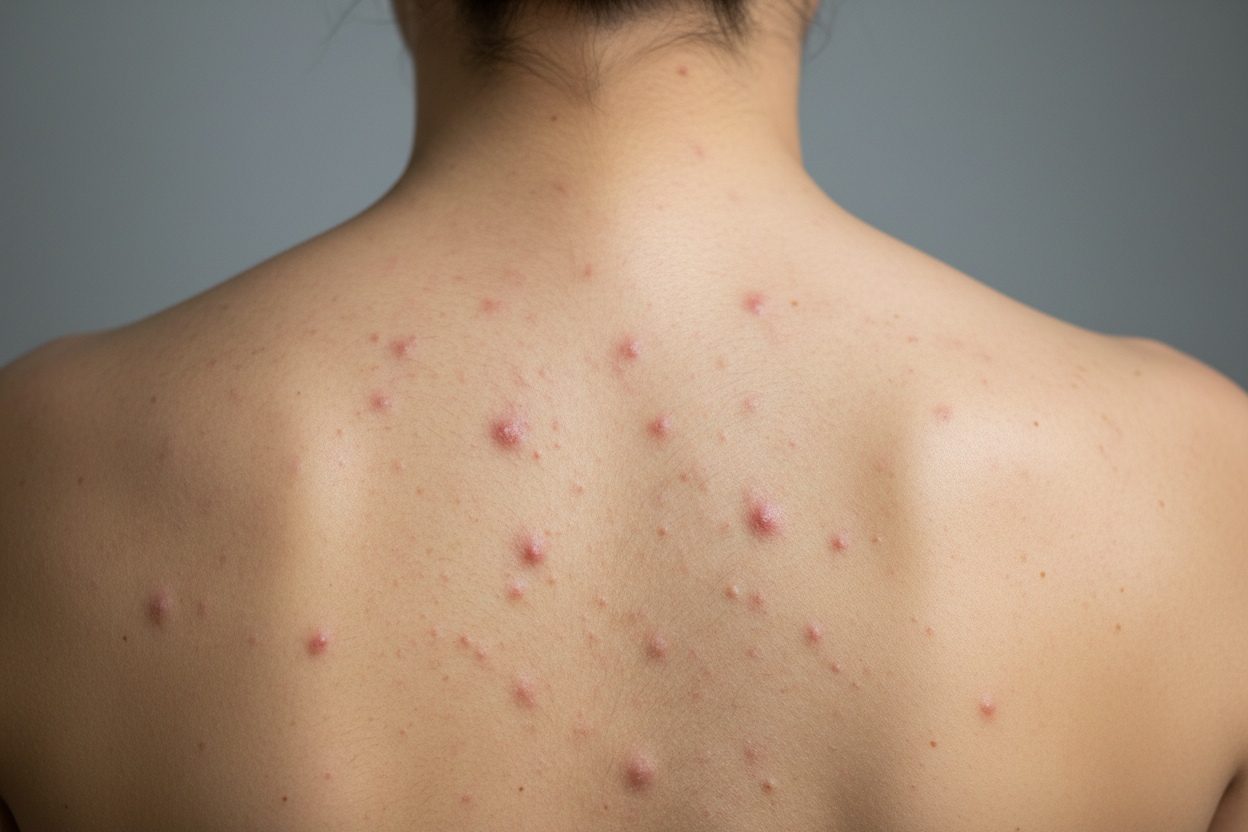
Back acne has the same bacterial root cause as facial acne — plus body-specific amplifiers: high sebaceous density, sweat, friction, and Singapore's humidity. Celluma's flexible panel applies to th...
Read more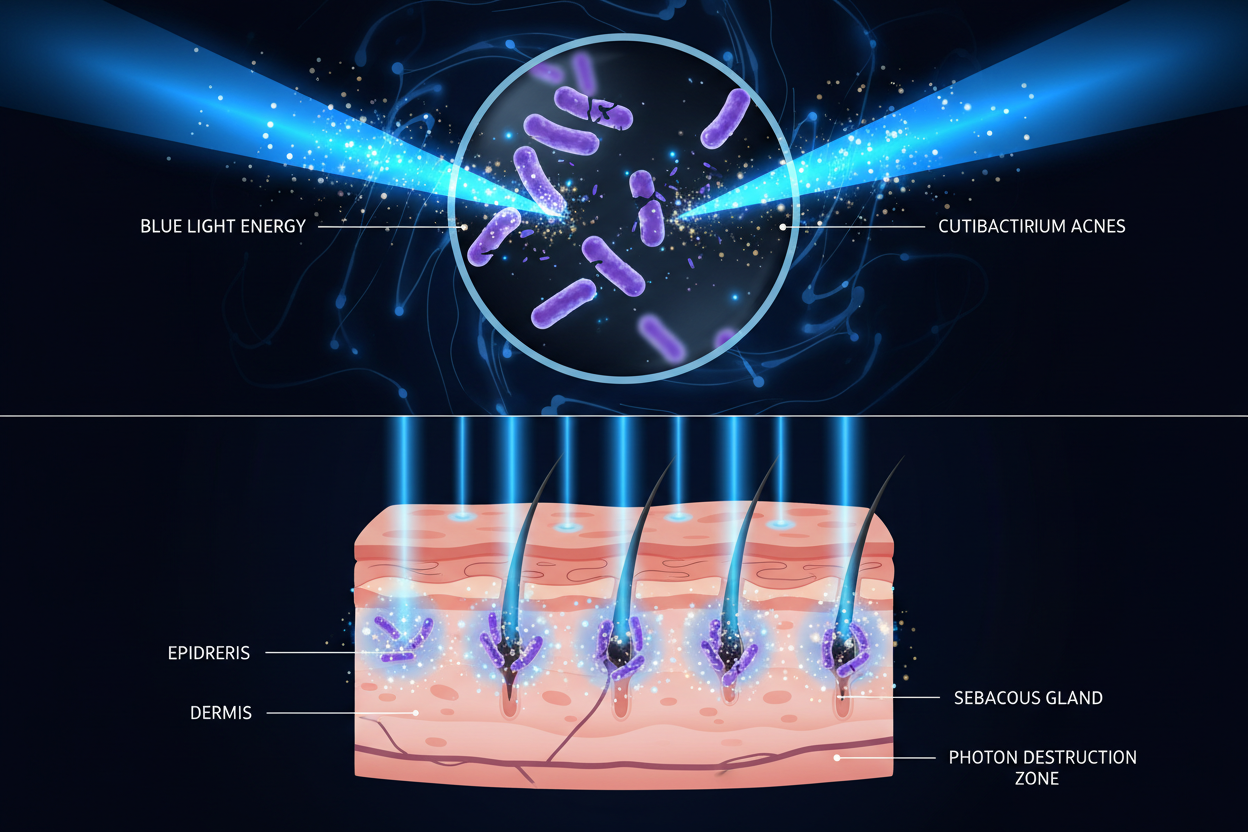
Does LED Red Light Therapy Work for Acne?
LED Red light therapy for acne is FDA-cleared — not a wellness trend. 465nm blue light triggers a photodynamic Singlet Oxygen reaction inside P. acnes bacteria, destroying them from within. Multipl...
Read more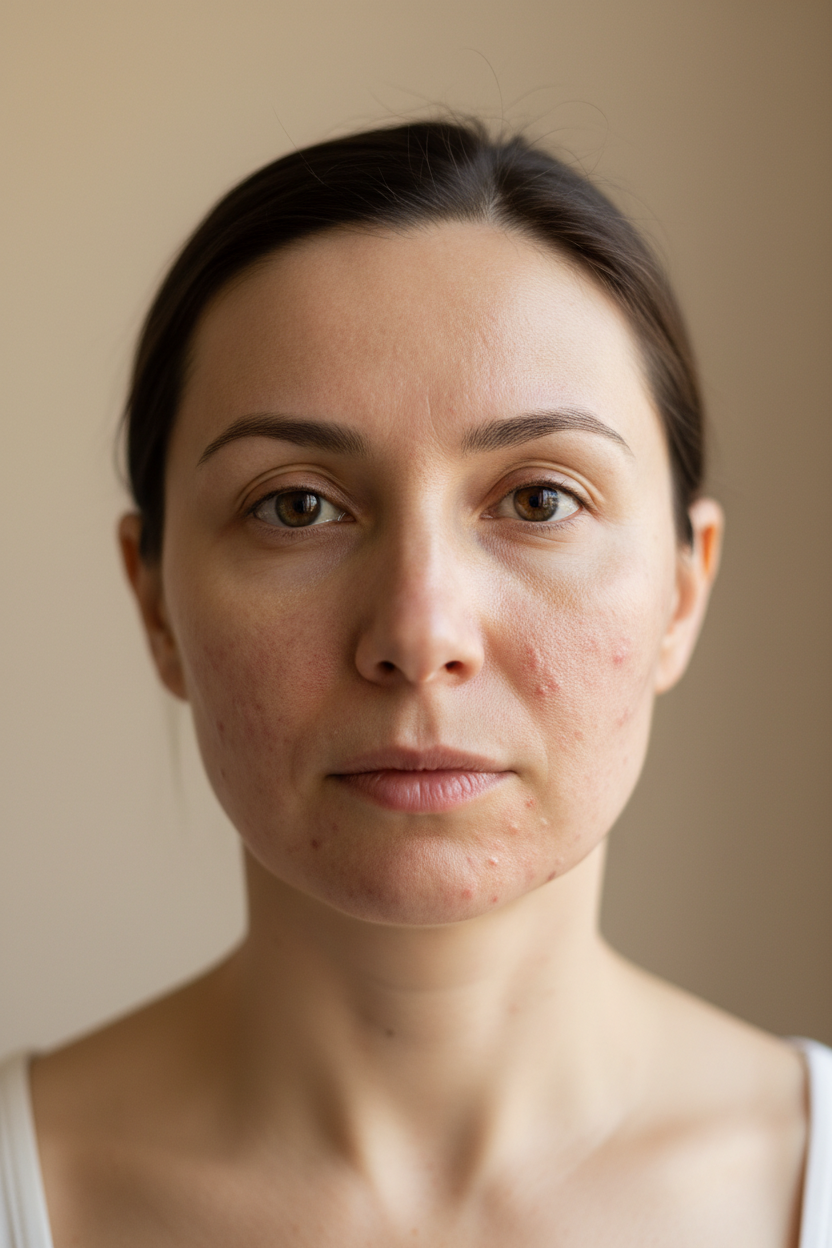
Why Am I Getting Acne in My 30s and 40s?
Adult acne after 25 has specific causes different from teenage acne: hormonal shifts, chronic stress cortisol, comedogenic products, dietary changes, and age-related mitochondrial decline reducing ...
Read more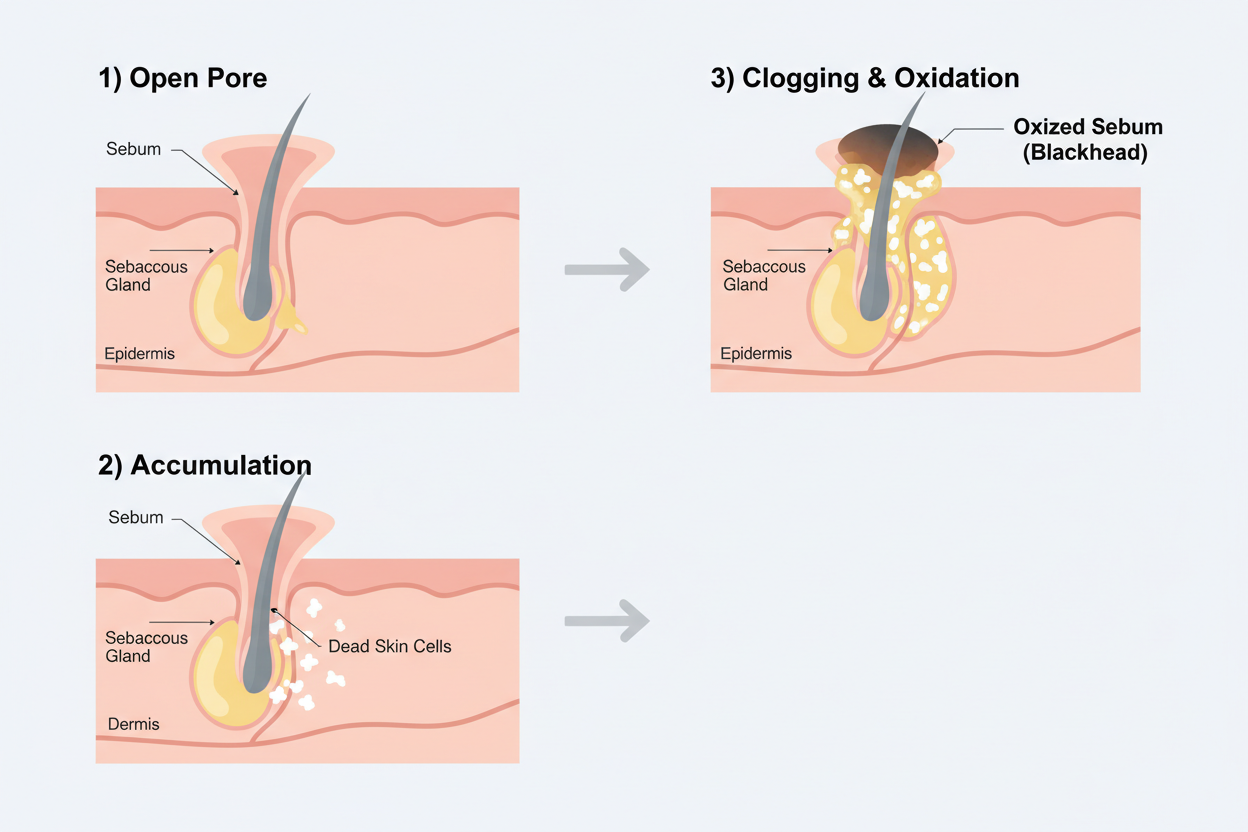
Blackheads are oxidised sebum and dead skin cells blocking a sebaceous follicle — not dirt. Squeezing worsens them. The most effective protocol: 2% salicylic acid to dissolve the follicle plug + 46...
Read more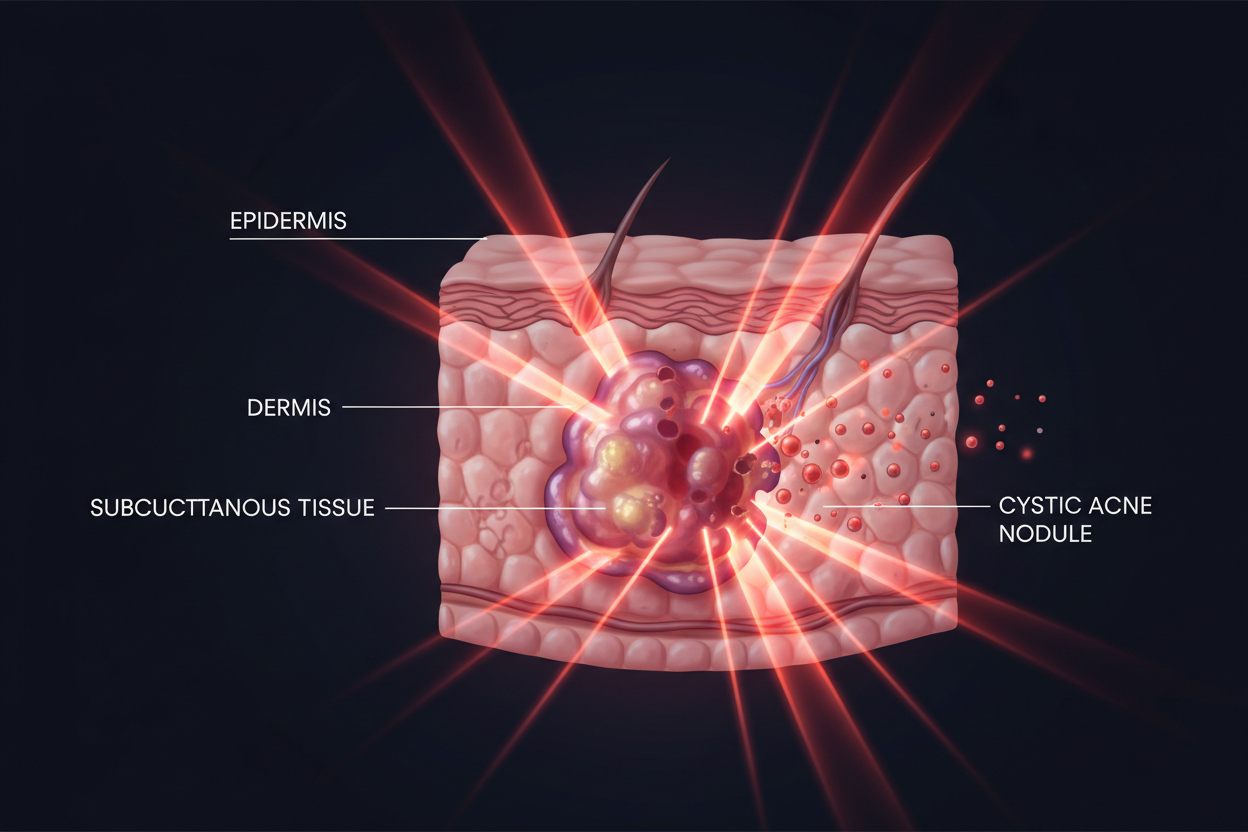
Treatment for Cystic Acne That Won't Go Away
Cystic acne lives deep below the skin surface — too deep for surface topicals to reach. It forms when a follicle ruptures internally, releasing bacteria into surrounding tissue. The key treatment p...
Read more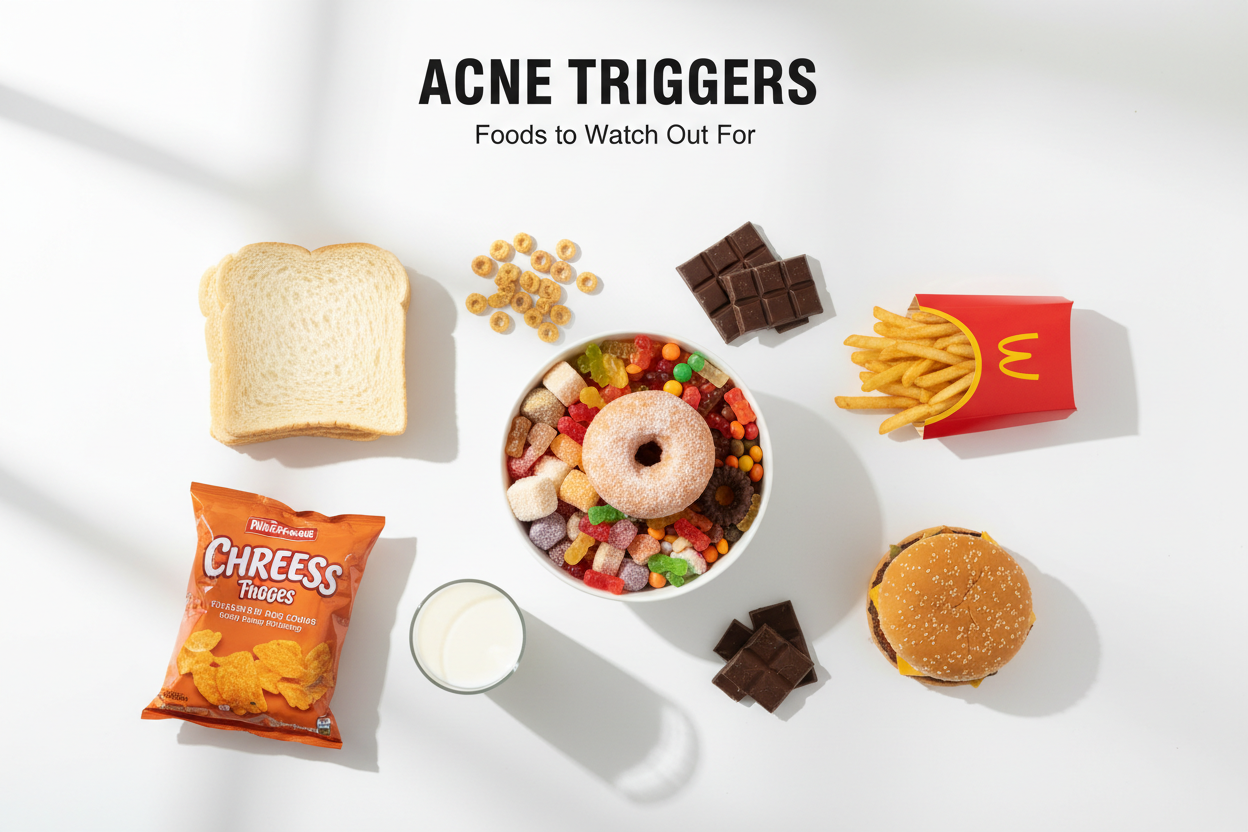
Does Diet Affect Acne Breakouts?
Diet does affect acne — through a specific hormonal pathway. High GI foods and dairy raise IGF-1 and androgens, which stimulate sebaceous glands to produce more sebum. More sebum feeds more P. acne...
Read more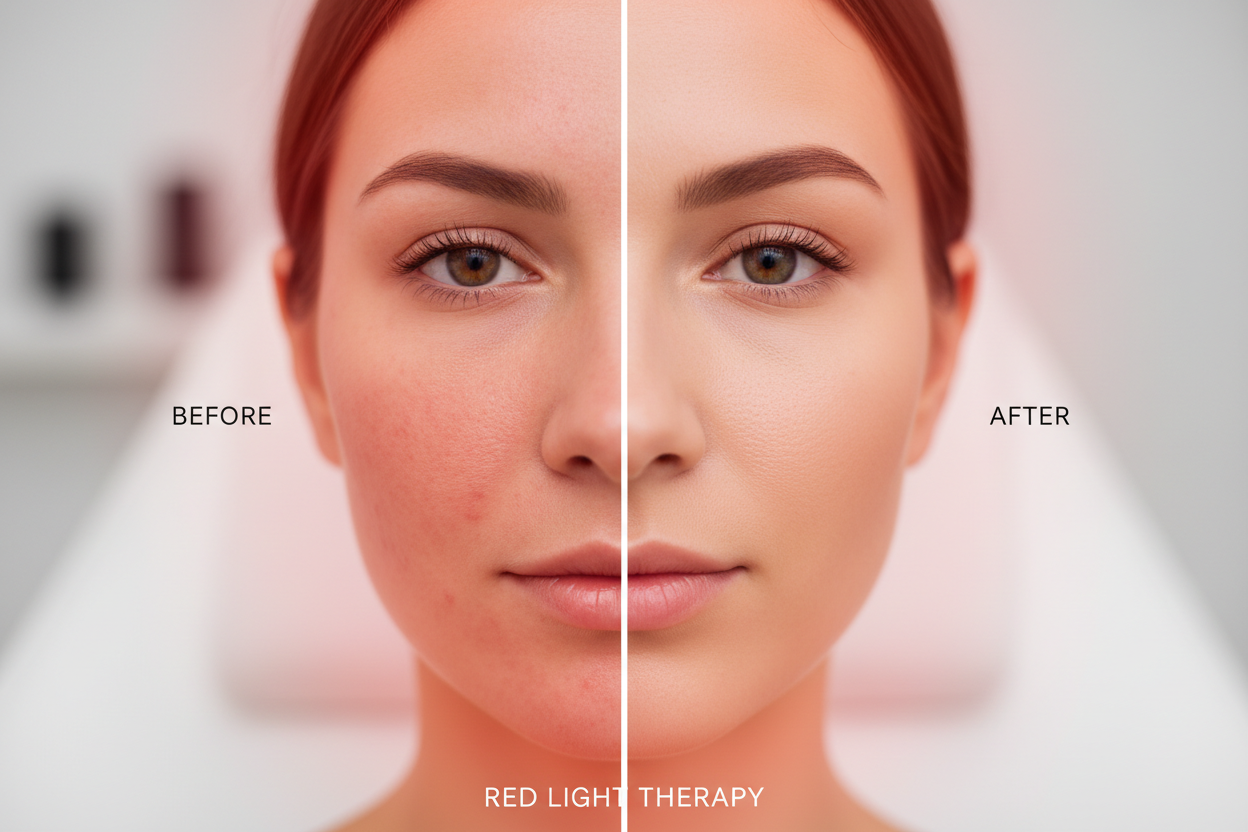
How to Reduce Acne Redness Quickly
640nm red light is absorbed by Cytochrome c Oxidase in fibroblast and immune cell mitochondria. The resulting ATP surge activates anti-inflammatory pathways that down-regulate IL-1α — the primary c...
Read more
Best Skincare Routine for Acne-Prone Skin
The most common skincare routine mistake for acne is doing too much — too many actives, too many steps, over-cleansing, and skipping moisturiser. The best routine for acne-prone skin is gentle, con...
Read more