
Red Light Therapy for Chronic Pain: How Near-Infrared Light Reduces Inflammation at the Source
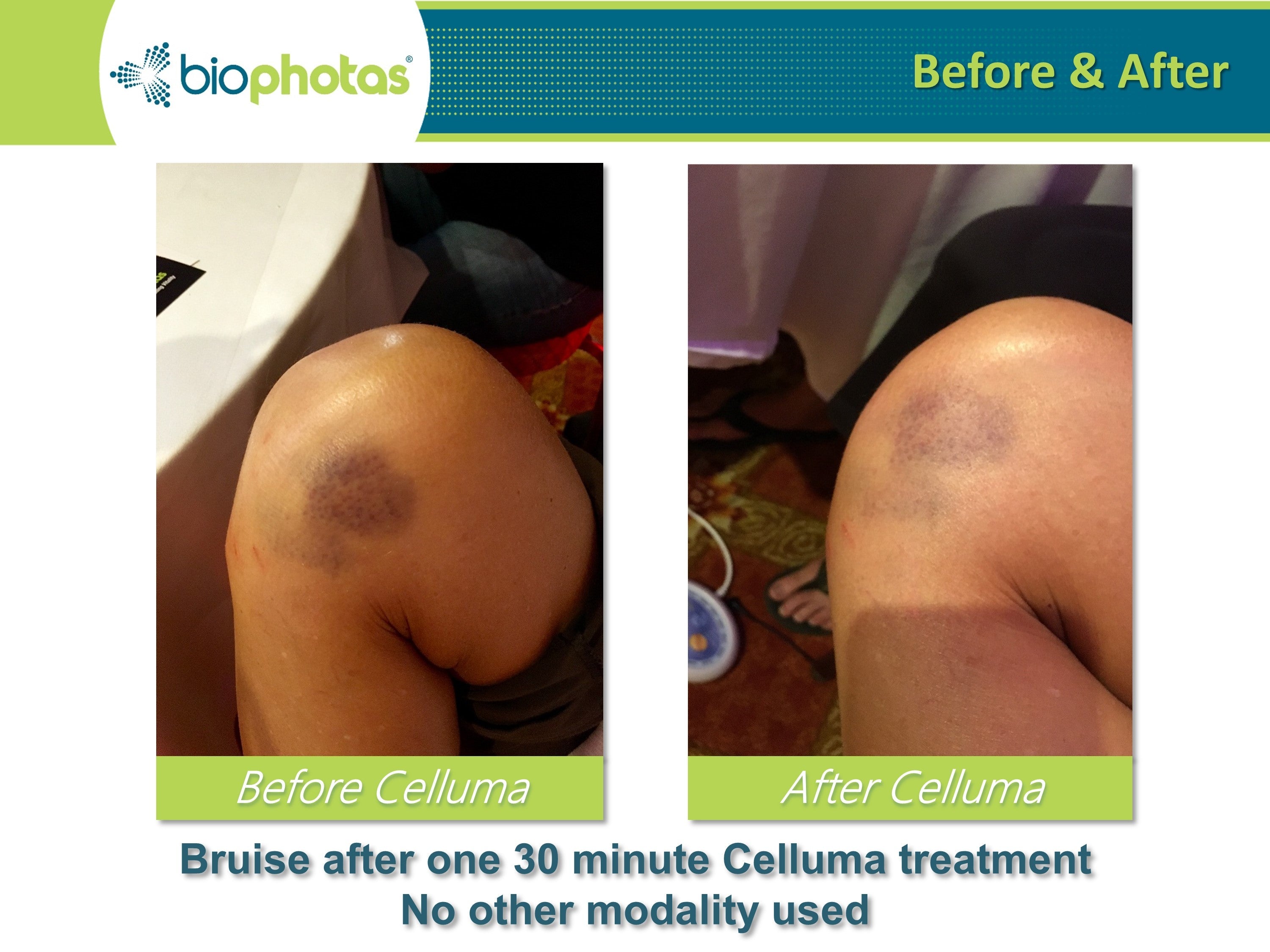
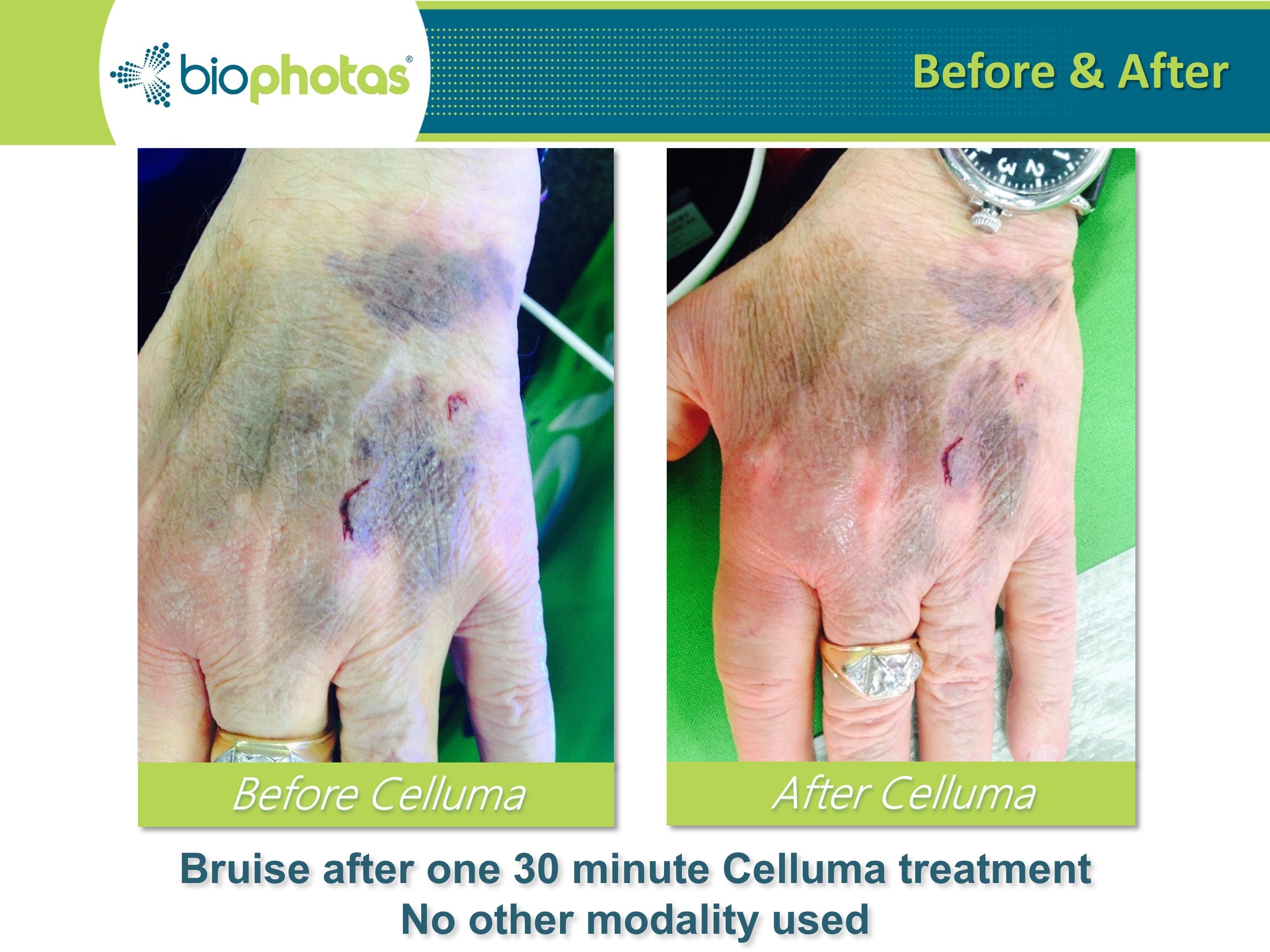
Near-infrared light (880nm) penetrates 30mm deep — reaching joints, nerves and muscle tissue. FDA-cleared Celluma reduces TNF-alpha, IL-6 and substance P for lasting pain relief.
Chronic pain is not simply acute pain that has not gone away. It is a distinct pathological state in which the nervous system and inflammatory machinery have become dysregulated — producing pain signals that persist long after the original tissue damage has resolved, or maintaining active inflammatory processes that standard pain management can suppress but not resolve. Near-infrared light therapy at 880nm is one of the few interventions that acts directly on both the inflammatory source and the neurological pain-signalling pathway simultaneously.
Why 880nm Reaches Where Topicals Cannot
The fundamental challenge in treating joint, muscle, and deep tissue pain is anatomical depth. The tissue where chronic pain originates — the synovial membrane of arthritic joints, inflamed muscle fascia, compressed nerve roots, degenerative disc tissue — is 10–30mm below the skin surface. Topical anti-inflammatories penetrate 2–4mm at best. Oral medications reach these tissues through blood circulation but carry systemic side effects.
Near-infrared light at 880nm is positioned at the optimal point in the optical window — long enough to pass through water and haemoglobin without being absorbed, short enough to still be absorbed by Cytochrome c Oxidase in deep tissue mitochondria. Clinical studies demonstrate 880nm penetration of 6–30mm depending on tissue composition, reaching the target structures where chronic pain is generated.
Two simultaneous mechanisms: (1) Anti-inflammatory — 880nm photons activate Cytochrome c Oxidase in immune cells and tissue fibroblasts, producing ATP that modulates NF-κB and downregulates TNF-alpha, IL-1β and IL-6. The pro-inflammatory cytokines that sustain chronic pain states are directly suppressed. (2) Neurological — displaced nitric oxide from CCO activation diffuses to local pain neurons, modulating substance P (the primary nociceptive signalling molecule) and reducing nerve conduction sensitivity. Less inflammatory load + less neurological amplification = measurable pain reduction.
Pain Conditions That Respond to PBM
Most studied pain application for PBM. 880nm reduces synovial inflammation, improves cartilage cell metabolism, and reduces joint effusion. Cochrane reviews support PBM for knee and hip OA pain reduction.
Paraspinal muscle inflammation, facet joint irritation and disc-related nerve compression all respond to 880nm deep penetration. Multiple RCTs show significant pain score reduction vs sham.
One of the highest-evidence indications for PBM. World Association for Laser Therapy guidelines recommend PBMT for chronic neck pain based on strong clinical trial evidence.
Central sensitisation syndrome that amplifies pain signals. PBM reduces the peripheral inflammatory load that feeds central sensitisation, providing meaningful pain and fatigue reduction.
Chronic tendon pain (Achilles, rotator cuff, patellar) responds to PBM via improved collagen quality in tendon tissue and reduction of local inflammatory mediators.
Peripheral neuropathy, post-herpetic neuralgia, and chemotherapy-induced neuropathy all have clinical evidence for PBM intervention targeting the neurological pain pathway directly.
The Substance P Mechanism — Why Pain Sensitivity Reduces
Substance P is the primary neuropeptide responsible for transmitting pain signals from peripheral tissue to the central nervous system. In chronic pain states, substance P levels are chronically elevated, maintaining the pain signal even in the absence of active tissue damage.
PBM has been shown to reduce substance P in treated tissue through two pathways: (1) the direct modulation of sensory nerve firing thresholds via nitric oxide, and (2) the reduction of the peripheral inflammatory load (TNF-alpha, IL-1β) that drives substance P upregulation. The net effect is a lowering of pain sensitivity — not through blocking pain signals like analgesics, but through reducing the neurochemical conditions that amplify them.
Protocol for Chronic Pain
Celluma Devices for Pain
Frequently Asked Questions
Yes. Multiple randomised controlled trials and systematic reviews support near-infrared PBM for chronic pain, including knee osteoarthritis, neck pain, lower back pain, and fibromyalgia. The mechanism involves two simultaneous pathways: (1) anti-inflammatory — ATP-driven NF-κB modulation reduces TNF-alpha, IL-1β and IL-6 in the affected tissue; (2) neurological — nitric oxide modulates substance P and reduces peripheral nerve pain sensitivity. Both mechanisms produce cumulative effects that deepen over weeks of consistent use.
Near-infrared light at 880nm penetrates 6–30mm into tissue and is absorbed by Cytochrome c Oxidase in mitochondria of immune cells and fibroblasts. This produces an ATP surge that activates the NF-κB anti-inflammatory pathway, downregulating pro-inflammatory cytokines including TNF-alpha, IL-1β and IL-6 — the primary chemical drivers of chronic pain. Simultaneously, displaced nitric oxide dilates local blood vessels and modulates substance P — the neuropeptide responsible for pain signal amplification.
Near-infrared light at 880nm penetrates 6–30mm depending on tissue composition — through skin, subcutaneous fat, and into muscle, joint capsule, and connective tissue. This is sufficient to reach the synovial membrane of knee, hip, shoulder, and finger joints, the paraspinal muscles and facet joints of the lumbar spine, and the disc-nerve interface in cervical and lumbar regions. Celluma's flexible zero-gap contact panel maximises irradiance delivery at depth by eliminating the air gap that reduces effective dose in flat panel devices.
Many users report reduced pain intensity within the first 1–3 sessions due to the immediate vasodilation and nitric oxide effects. Measurable anti-inflammatory changes in cytokine levels occur within 2 weeks of daily use. Sustained pain reduction — where the baseline pain level has genuinely shifted rather than being temporarily suppressed — typically becomes apparent at 4–8 weeks of consistent daily sessions. This cumulative effect is the meaningful clinical outcome.
Osteoarthritis is one of the most clinically studied applications of PBM and has the strongest evidence base. Cochrane reviews and multiple systematic analyses support PBMT for knee and hip osteoarthritis pain reduction, improvement in joint function, and reduction in analgesic use. The mechanism targets synovial inflammation directly — reducing the inflammatory mediators that drive cartilage degradation and joint pain. Early and consistent use produces the best outcomes.
Red light therapy is not a replacement for prescribed pain management — it is a powerful adjunct that addresses the underlying inflammatory mechanism rather than blocking the pain signal. Many consistent users report reduced reliance on NSAIDs and analgesics over time as their baseline inflammation decreases. This transition should be managed with medical guidance. Unlike pain medication, PBM has no systemic side effects and does not carry gastrointestinal, cardiovascular or dependency risks.
Inflammatory pain (arthritis, tendinopathy, bursitis, inflammatory back pain) responds most dramatically — PBM directly targets the cytokine cascade driving inflammation. Neuropathic pain (peripheral neuropathy, nerve compression) also responds well via the substance P and nerve conduction modulation mechanism. Musculoskeletal pain (muscle tension, post-exercise soreness, soft tissue injuries) responds through the combined anti-inflammatory and ATP-restoration effects. Purely mechanical pain with no inflammatory component (e.g. structural spinal instability) responds least.
Daily sessions for the first 4 weeks establish the anti-inflammatory baseline. Anti-inflammatory effects from PBM are cumulative — each session builds on the last. Daily use during this initial phase produces the fastest and most durable pain reduction. After 4 weeks, maintenance at 3–5 sessions per week maintains the lowered inflammatory state. A 30-minute session in pain mode (880nm dominant) per day is the standard clinical protocol.
Experience Clinical Results.
FDA-cleared devices for real conditions.
Explore Celluma — calibrated to the exact wavelengths your cells respond to.


Leave a comment
เว็บไซต์นี้ได้รับการคุ้มครองโดย hCaptcha และมีการนำนโยบายความเป็นส่วนตัวของ hCaptcha และข้อกำหนดในการใช้บริการมาใช้