

The Essence of
Cellular Energy.
Analysing the correlation between mitochondrial ATP synthesis, Reactive Oxygen Species, and systemic recovery via Photobiomodulation.
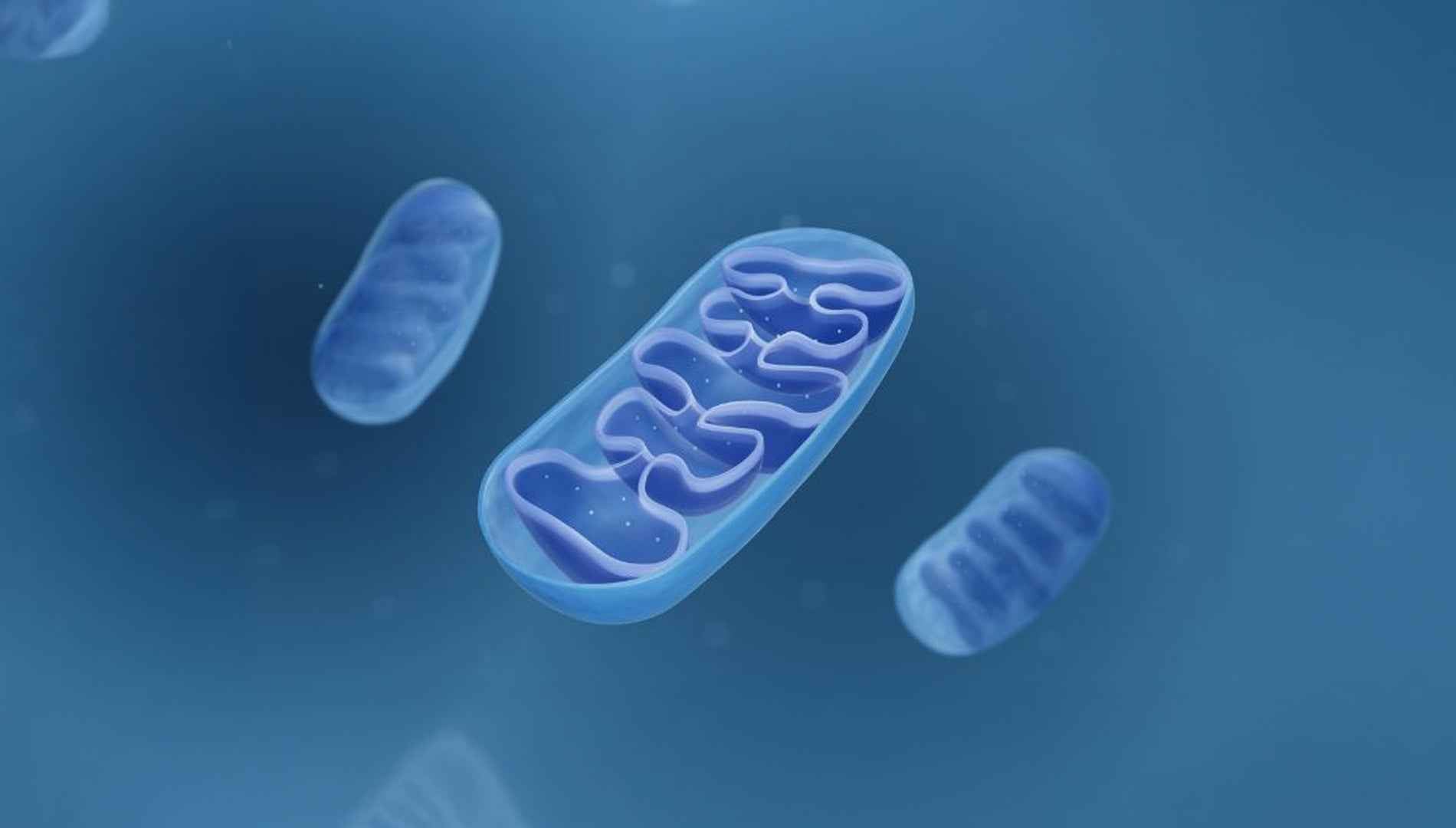
Red light therapy at 640nm and 880nm is absorbed by Cytochrome c Oxidase (CCO) in cell mitochondria. Under stress, Nitric Oxide inhibits CCO and stalls ATP production. Photons displace this blockade — restoring cellular respiration, surging ATP output, and activating antioxidant pathways that neutralise Reactive Oxygen Species. The result: faster recovery, reduced fatigue, clearer cognition, and accelerated tissue repair — from the same mechanism that drives collagen synthesis and acne clearance.
When the body experiences a deficit in Adenosine Triphosphate (ATP), it transcends mere fatigue. This is a state of biological bankruptcy where the Cytochrome c Oxidase enzyme is inhibited by Nitric Oxide — effectively stalling the metabolic engine at a cellular level. Every downstream repair process — collagen synthesis, immune response, neurological function, muscle recovery — depends on ATP. When the supply falls short, everything slows.
The ROS Infiltration
Dysfunctional mitochondria leak Reactive Oxygen Species (ROS). Left unmodulated, this triggers the “Cellular Rust” effect — a state of chronic oxidative stress that compromises genomic integrity, accelerates biological senescence, and creates a self-reinforcing cycle: less ATP means less capacity for cellular repair, which produces more oxidative damage, which produces even less ATP. Photobiomodulation directly breaks this cycle.
Physical and Cognitive Decline
The metabolic demands of the cerebral cortex and skeletal muscle groups are absolute. A lack of bio-available fuel results in cognitive fragmentation (brain fog), reduced physical resilience, slower wound healing, and diminished immune response. These are not symptoms of “getting older” — they are measurable signs of mitochondrial insufficiency.
Photobiomodulation (PBM) serves as the external catalyst required to re-establish the energy chain. By targeting the root cause — Cytochrome c Oxidase inhibition — rather than symptom-managing downstream effects, red and near-infrared light therapy restores the biological engine that drives every downstream repair process simultaneously.
The Photonic Repair Sequence
What ATP Restoration Produces
Because ATP is the universal energy currency of every cellular process, restoring its production via photobiomodulation creates downstream effects across multiple systems simultaneously:
Faster repair of exercise-induced micro-tears. Reduced DOMS. 880nm penetrates to 6–10mm for deep muscle tissue.
Neuronal mitochondria restored. Reduced brain fog and mental fatigue as neurotransmitter synthesis recovers.
ATP powers the TGF-β pathway for fibroblast collagen synthesis. Same mechanism that drives visible anti-aging outcomes.
Macrophage ATP restoration improves phagocytic capacity and down-regulates chronic pro-inflammatory cytokine activity.
Bio-Physics Inquiry
640nm and 880nm photons are absorbed by Cytochrome c Oxidase in the mitochondrial electron transport chain. Under stress, Nitric Oxide inhibits CCO and stalls ATP synthesis. Photons displace the Nitric Oxide, restore oxygen binding, re-establish the proton gradient, and trigger an ATP surge that powers all downstream repair functions.
As cells age, mitochondrial efficiency declines — producing less ATP and leaking more Reactive Oxygen Species (ROS). These ROS cause oxidative damage in a compounding cycle: less ATP → less repair capacity → more accumulated damage → less ATP. Photobiomodulation breaks this cycle by restoring CCO function and activating antioxidant pathways that neutralise ROS before they cause further genomic damage.
Photobiomodulation (PBM) is the clinical term for red and near-infrared light therapy using 640nm red and 880nm NIR wavelengths. These are absorbed by Cytochrome c Oxidase in cell mitochondria, triggering increased ATP production, reduced oxidative stress, modulated inflammation, and accelerated tissue repair. The mechanism is photochemical, not thermal — it is the wavelength interaction with CCO that produces the biological effect, not heat.
Systemic recharge is a cumulative process. The immediate photochemical response occurs during each session. Measurable increases in mitochondrial density and systemic ATP availability typically manifest within 4–8 weeks of a consistent protocol — 3–4 sessions per week, 30 minutes each. Cognitive clarity, physical resilience, and recovery speed continue to improve cumulatively over a sustained 12-week protocol.
ATP stimulation requires a specific biological threshold of energy delivery — precise wavelengths at sufficient irradiance to reach the target mitochondria. Consumer gadgets lack the wavelength precision and irradiance consistency to reliably reach this threshold. FDA Class II 510(k) clearance means an independent reviewer confirmed the device delivers the specific wavelengths and energy levels required for the claimed therapeutic effects.
Yes. The cerebral cortex has extremely high metabolic demands and is particularly sensitive to mitochondrial dysfunction. When neuronal mitochondria are inhibited, brain fog, reduced focus, and cognitive fatigue result. Near-infrared light (880nm) penetrates deeply enough to reach brain tissue and restore mitochondrial function. Transcranial photobiomodulation is an active area of clinical research for cognitive enhancement and neuroprotection.
Optimize Your
Recovery Protocol.
Deploy FDA-cleared Celluma to restore cellular ATP production, neutralise oxidative stress, and accelerate recovery — from the same medical-grade device used in clinics across Singapore.


Leave a comment
เว็บไซต์นี้ได้รับการคุ้มครองโดย hCaptcha และมีการนำนโยบายความเป็นส่วนตัวของ hCaptcha และข้อกำหนดในการใช้บริการมาใช้