
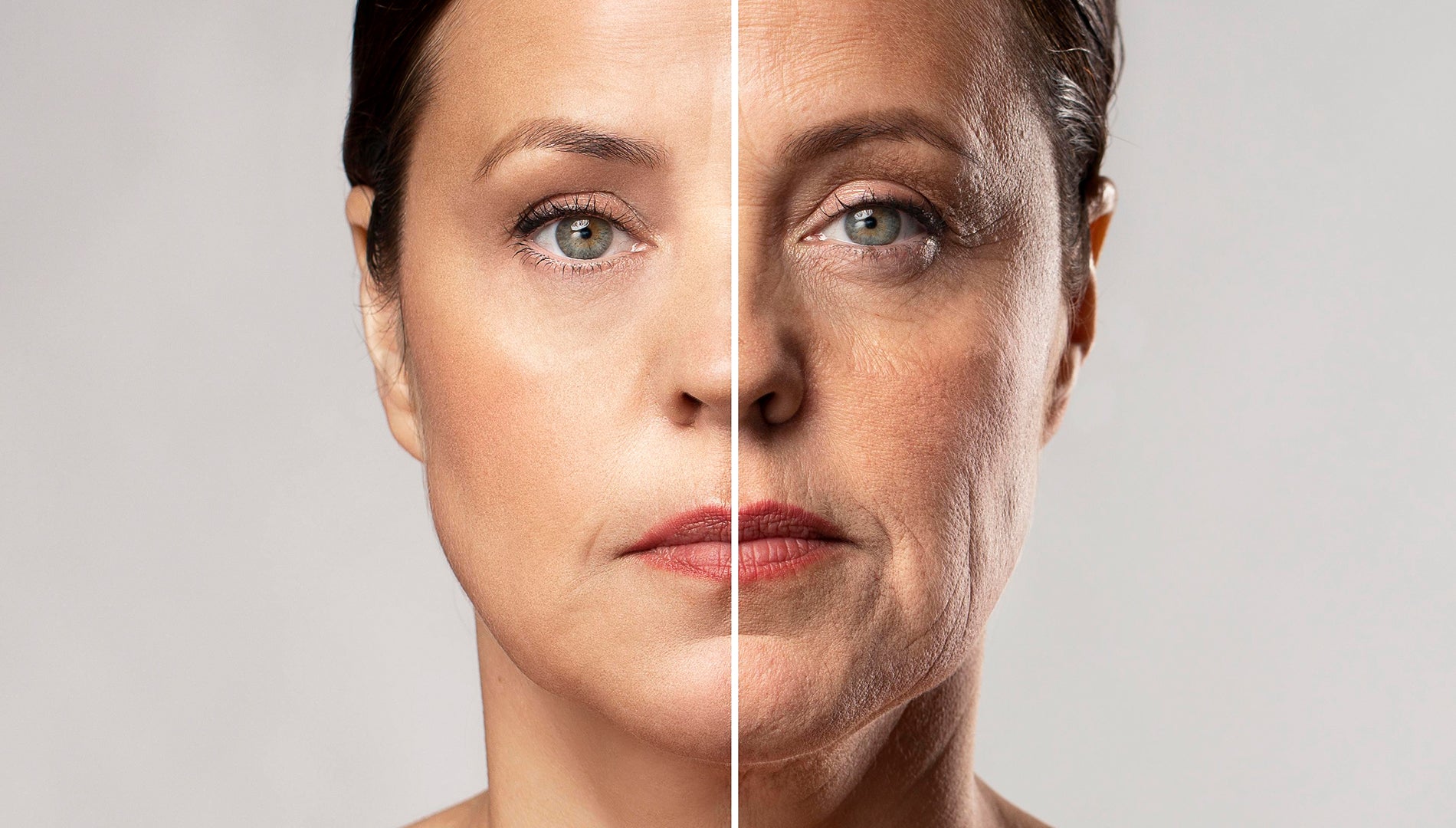
The “More is Better” Myth
in LED Therapy
Using incorrect settings or excessively high energy output doesn't accelerate results — it causes molecular damage. In cellular rejuvenation, clinical precision outweighs raw power every time.
It is a dangerous misconception that stronger, brighter LED devices yield better results. According to the Biphasic Dose Response (Arndt-Schulz Law), a precise moderate dose stimulates healing. Conversely, overexposure causes Reactive Oxygen Species (ROS) to overflow — producing oxidative stress, DNA damage, and active collagen breakdown.
For optimal anti-aging and tissue repair, clinical data dictates that total energy delivery should range precisely between 4 to 10 Joules per square centimetre (J/cm²). When consumer-grade devices attempt to artificially speed up treatments by exceeding these parameters, they bypass the therapeutic window entirely.
This biological miscalculation risks creating a massive intracellular overload of Reactive Oxygen Species (ROS). While trace amounts of ROS act as essential signalling molecules, an overload forces the body into a state of defence rather than regeneration — inadvertently accelerating the very aging process the treatment was meant to reverse.
“Red light therapy is never about ‘more is better’ or ‘stronger is better.’ Effective Photobiomodulation requires a delicately balanced biophysical approach.”
The Dangers of Photonic Overexposure
The three primary mechanisms by which excessive irradiance causes harm rather than healing:
Oxidative Stress
Excessive ROS overwhelms the cell's antioxidant defences. This actively damages DNA, degrades proteins, and destroys lipid cell membranes — severely reducing skin elasticity over time.
DNA Mutations
Prolonged exposure to ultra-high intensity panels stresses cells beyond their natural repair capacity, causing mutations and weakening the skin's biological resilience.
Collagen Breakdown
Cellular burnout triggers inflammatory MMP enzymes that physically break down existing elastin and collagen — exacerbating the wrinkles and laxity the treatment was meant to reverse.
The Biological “Sweet Spot”
Red light therapy works by stimulating mitochondria to boost ATP production. But this physiological mechanism follows the Arndt-Schulz Law — known in photomedicine as the Biphasic Dose Response: too little has zero therapeutic effect; the right amount produces optimal biostimulation; too much causes inhibition and harm.
The Arndt-Schulz Curve — Biphasic Dose Response
As energy density (Joules) increases, biological stimulation rises until it hits the therapeutic “Peak.” Pushing energy past this peak instantly reverses the effect — causing cellular inhibition and oxidative tissue damage.
This is why selecting a device with FDA Class II certification is non-negotiable for serious users. FDA-cleared medical devices are rigorously validated to stay within the therapeutic window — ensuring you receive the maximum benefits of collagen stimulation without risking cellular burnout. Consumer gadgets without this oversight have no obligation to stay within clinically safe parameters.
Dosage & Safety Q&A
The Biphasic Dose Response (Arndt-Schulz Law) defines three zones: sub-threshold (<4 J/cm², no effect), therapeutic (4–10 J/cm², optimal ATP synthesis and collagen stimulation), and inhibitory (>10 J/cm², ROS overload causing oxidative damage and collagen breakdown). Pushing past the therapeutic peak instantly reverses the biological effect.
Yes. Excessive irradiance from non-regulated devices — or sessions far exceeding 30 minutes at high continuous irradiance — overloads cells with Reactive Oxygen Species (ROS), causing cellular burnout, oxidative DNA damage, and triggering MMP enzymes that break down existing collagen. This accelerates aging rather than reversing it.
The clinical therapeutic window is 4–6 J/cm² for anti-aging and collagen synthesis, and 6–10 J/cm² for pain management and deep tissue repair — measured at the tissue surface, not at the LED chip. These are the parameters validated in the clinical evidence supporting FDA 510(k) clearances.
Raw brightness is the wrong metric. What matters is total fluence at the tissue surface within the 4–10 J/cm² therapeutic window. An excessively bright continuous device pushes cells past the biostimulatory peak into the inhibitory zone. Pulse Width Modulation (PWM) — used by FDA-cleared devices like Celluma — allows higher safe peak irradiance while keeping total fluence within therapeutic bounds.
The inhibitory phase triggers: (1) ROS overload overwhelming antioxidant defences; (2) MMP enzyme activation breaking down existing collagen; (3) cells entering defensive stress mode reducing ATP output; (4) over time, accelerated photoaging, reduced elasticity, and persistent erythema.
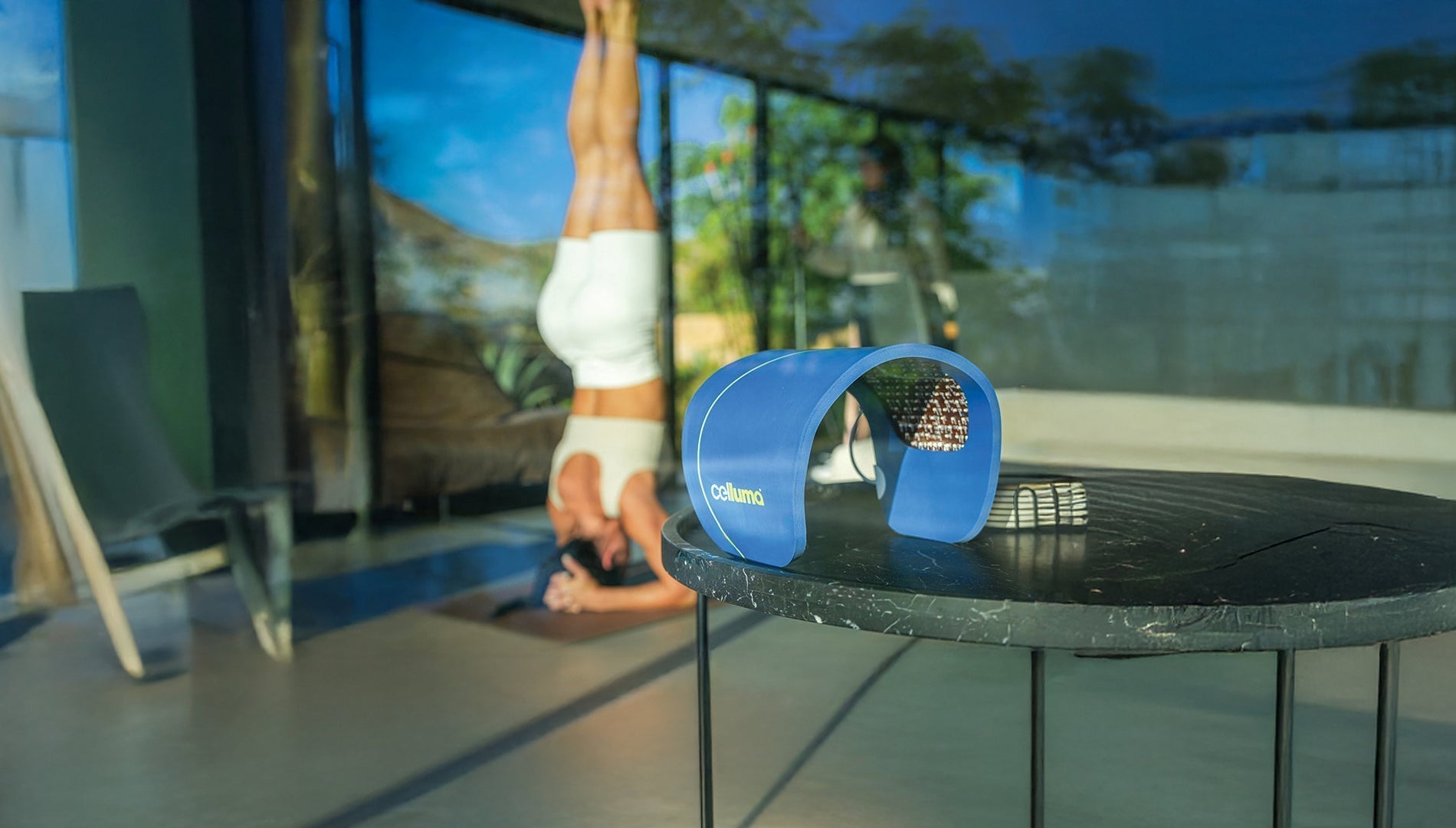
Celluma is FDA Class II 510(k) cleared — independently confirmed to deliver verified optical parameters within the therapeutic window. It uses Pulse Width Modulation (PWM) to prevent cellular saturation, and its flexible zero-gap panel ensures irradiance is delivered consistently across all tissue contours without hot spots that could locally exceed the threshold.


Leave a comment
Laman ini dilindungi oleh hCaptcha dan tertakluk pada Dasar Privasi dan Terma Perkhidmatan hCaptcha.