
Featured image: AI-generated editorial image.
The Celluma Journal · Updated
The best way to reduce acne redness depends on what is causing it. An inflamed pimple, a flat mark after healing and irritation from skincare need different approaches. Keep the skin comfortable, avoid picking and treat active acne appropriately instead of using stronger products on every red area.
Identify which kind of redness you are seeing
An active inflamed lesion may be raised, tender or swollen. A flat pink or red area after the lesion has settled may be a lingering post-inflammatory mark. Brown or grey marks usually involve pigmentation, while burning or peeling across a larger area may suggest irritation.
These can overlap. Redness may also be harder to recognise in darker skin tones, where colour change can appear differently. The AAD acne symptoms guide describes both lesions and marks left after them. If the appearance does not fit your usual acne, seek an assessment rather than treating the colour alone.
What can help the skin feel calmer today
Leave the spot alone and avoid abrasive cleansing. A cool, clean compress may provide comfort; do not apply bare ice or prolonged extreme cold to the skin. Use a familiar moisturiser if the area is dry, and avoid adding several acids or scrubs to force the redness away.
If you want coverage, a non-comedogenic cosmetic product or colour corrector can change the appearance without being an acne treatment. Remove it gently later. There is no need to make the skin completely red-free before leaving home.
For a deep painful lesion, the AAD’s pimple-care advice and a dermatologist’s assessment are more useful than repeated squeezing. Prompt treatment of severe lesions can also help reduce the chance of further marks.
Treat active acne, rather than only its colour
When redness accompanies ongoing pimples, the plan should address the acne itself. Different treatments target inflammatory lesions and blocked pores, so the choice depends on what else is present. A pharmacist or dermatologist can help select a manageable routine.
Avoid judging an acne treatment only by how quickly one lesion changes colour. Track the number of new inflamed lesions, comfort and tolerability across the planned course. Our routine guide explains how to keep the daily steps clear.
If redness worsens after starting a product, do not assume that is a necessary purge. Irritation may need a change in use or a different product.
Give lingering marks a separate plan
Flat marks can persist after the acne is controlled. Sun protection and gentle skin care help you avoid adding further irritation. Brown marks and persistent vascular redness may need different treatment, so use the description that matches your concern when asking for advice.
The AAD dark-spot guide focuses on pigmentation rather than treating all colour changes as identical. Our post-acne pigmentation article explains that distinction in more detail.
Persistent flushing, visible vessels or burning across the centre of the face can also suggest rosacea. See the acne-versus-rosacea guide and seek a diagnosis before adding acne actives to that pattern.
The role of red and blue LED therapy
Visible-light treatments can help suitable inflammatory acne. Persistent visible vessels and redness left after acne need a separate assessment; they are not the same treatment goal as active pimples. The AAD guide to acne light treatments distinguishes the types of lesions light devices can address.
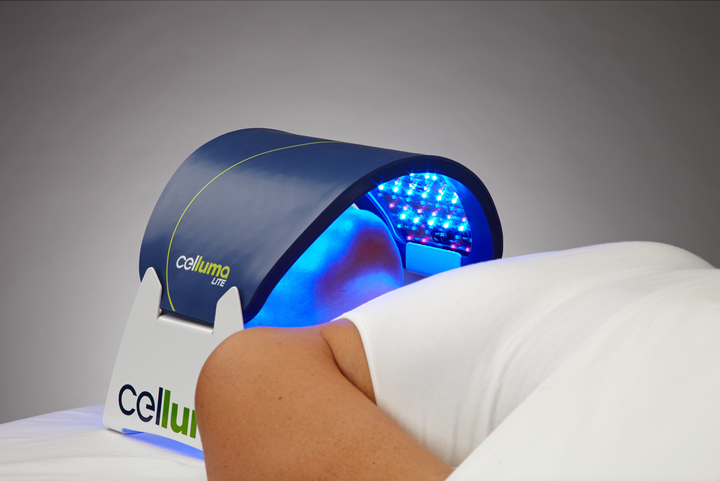
A Celluma device with an Acne programme provides preset treatment settings. For example, PRO II includes Acne as well as Wrinkles and Aches & Pain. Use the appropriate programme and current model instructions rather than selecting a mode solely because the LEDs look red.
If your main concern is a residual mark or an uncertain rash, clarify the diagnosis first. A clear diagnosis helps you choose treatment for the mark or rash itself.
Frequently asked questions
Can I make acne redness disappear immediately?
Cosmetic coverage may change its appearance quickly, and gentle care may improve comfort. Immediate biological clearance cannot be guaranteed.
Are red acne marks the same as dark spots?
They can reflect different processes. Pink or red marks may involve vascular change, while brown or grey marks often involve pigment. An assessment can clarify persistent or uncertain marks.
Does red light instantly repair broken capillaries?
Celluma’s Acne programme is not an established treatment for repairing visible facial vessels. Persistent vessels or flushing deserve assessment and a plan for their cause.
Should I exfoliate a red area more often?
Extra exfoliation can irritate the skin. Keep the routine gentle and choose treatment for the cause of the redness rather than its appearance alone.