跳转到内容

购物车

您的购物车为空

文章: What Causes Sudden Acne Breakouts

What Causes Sudden Acne Breakouts


🧭 Breakout Triggers · Singapore

What Causes Sudden Acne Breakouts? 7 Triggers You Might Be Ignoring

Stress cortisol, humidity, new skincare products, diet changes — sudden breakouts have specific triggers. Here is how to identify yours and stop them.

📅 2026✍️ Celluma Asia Clinical Editorial🇸🇬 Singapore⏱ 5 min read
Quick Answer

Sudden acne breakouts almost always have an identifiable trigger. The most common are: stress (cortisol → sebum surge), new comedogenic skincare products, dietary changes to high GI or high dairy foods, hormonal fluctuations, and Singapore's high humidity increasing bacterial growth conditions. Identifying and addressing the trigger — combined with blue + red LED therapy — is the fastest path to clear skin.

7 Triggers Behind Sudden Breakouts

1
Stress & Cortisol Cortisol directly stimulates sebaceous glands to increase sebum. More sebum feeds more P. acnes bacteria. Chronic stress means chronic sebum elevation and persistent breakouts.
2
New Skincare Product Comedogenic ingredients (isopropyl myristate, coconut oil, lanolin) block pores. Introduce one product at a time to identify the culprit.
3
High GI Diet Change White rice, sugar, and white bread spike insulin → IGF-1 → androgen → sebum. Breakout appears 24-72 hours post-trigger food.
4
Dairy Consumption Dairy raises IGF-1 independently of GI index. Particularly whey protein and full-fat dairy. Breakouts often appear on the chin and jaw zone.
5
Hormonal Fluctuation Menstrual cycle, new contraceptive, perimenopause, or PCOS can shift androgen levels rapidly — triggering sebum surges in the chin/jaw zone.
6
Singapore's Humidity High humidity increases pore congestion and sweat-sebum mixing. Heat accelerates P. acnes growth rate.
7
Mask-Wearing (Maskne) Humidity + heat + friction under a mask creates ideal bacterial growth conditions on chin, cheeks, and below the nose.

How to Identify Your Trigger

Keep a simple breakout journal for 4 weeks: note what you eat, stress level (1-10), new products used, and where breakouts appear. Most people identify their primary trigger within 2-3 weeks. The location of your breakout is itself a clue: forehead suggests haircare or fringe; cheeks suggest external contamination (phone, pillowcase); chin/jaw suggests hormonal or dietary; around the mouth suggests toothpaste or lip product ingredients.

🎠 Forehead

Haircare products, fringe, phone screen, touching forehead. Try switching to silicone-free haircare.

📱 Cheeks

Phone bacteria, pillowcase, hands on face. Clean your phone screen daily. Change pillowcase twice weekly.

🧀 Chin & Jaw

Hormonal or dietary trigger. Track your cycle. Reduce dairy and high GI foods for 4 weeks.

😷 Around Mouth

Toothpaste with SLS or fluoride, comedogenic lip balm. Switch to SLS-free toothpaste.

The Fast Reset: LED Therapy for Sudden Breakouts

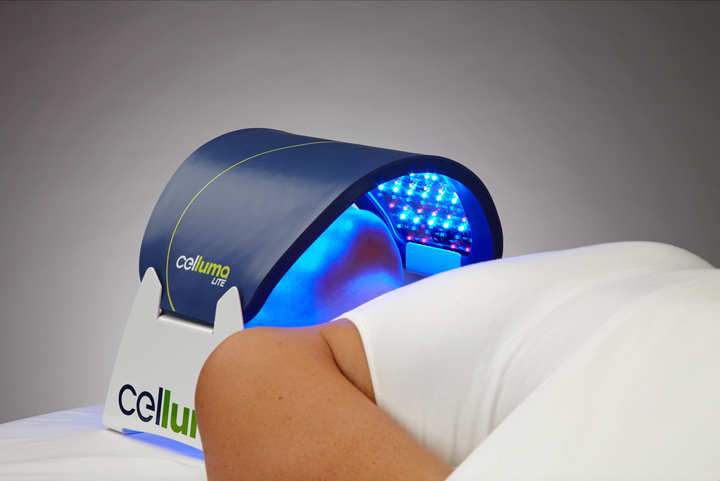
Once you've identified the trigger, use blue + red LED therapy to rapidly clear the bacterial load and inflammation that the trigger has set off. 465nm kills the P. acnes that excess sebum has fed; 640nm reduces the IL-1α inflammatory cascade. This is significantly faster than waiting for the trigger's effects to resolve naturally.

FAQ · People Also Ask

Questions & Answers

Why did I suddenly break out when I never had acne before?

Sudden-onset acne in someone without a previous acne history typically has one of these causes: (1) hormonal change (new contraceptive, perimenopause, PCOS, pregnancy); (2) new skincare or haircare product with comedogenic ingredients; (3) significant stress increase (cortisol raises sebum); (4) dietary change to high GI or high dairy intake; (5) environmental change (moving to Singapore's high humidity significantly increases pore congestion). Track what changed 2-4 weeks before your first breakout — the trigger is almost always identifiable.

Can stress really cause acne breakouts?

Yes — directly. Cortisol (the stress hormone) stimulates sebaceous glands to increase sebum production. More sebum feeds more P. acnes bacteria. Additionally, stress elevates systemic inflammatory markers (IL-6, CRP) that make existing acne more inflamed and slow to heal. This is why breakouts consistently worsen during high-stress periods (exams, work deadlines, relationship stress) even in people who manage their skincare routinely. Red light therapy's anti-inflammatory effects on cytokines directly help counter stress-induced acne.

Can wearing a face mask cause acne?

Yes — 'maskne' (mask acne) is caused by three mechanisms: (1) humidity and heat trapped under the mask create an ideal bacterial growth environment; (2) friction against the chin and cheeks causes microtrauma and blocked pores; (3) breath moisture softens the skin and increases pore congestion. Choose a soft, breathable mask material, wash fabric masks daily, remove masks when safe to do so, and keep the underlying skin clean with a non-stripping cleanser. Blue and red LED therapy is particularly effective for maskne because it addresses both the bacteria and the inflammation.

Why do I break out after eating certain foods?

High glycaemic index foods (white rice, sugar, white bread, sugary drinks) spike blood glucose and insulin. Elevated insulin increases IGF-1 (insulin-like growth factor), which directly stimulates androgen production and sebaceous gland activity — increasing sebum. Dairy products also raise IGF-1. The breakout typically appears 24-72 hours after the dietary trigger. Tracking what you eat and when you break out over 4 weeks usually identifies specific food triggers.

Can new skincare products cause sudden breakouts?

Yes — 'purging' is a real phenomenon where active ingredients like retinol and AHAs accelerate cell turnover, bringing congestion to the surface faster than normal. This looks like a breakout but clears within 4-6 weeks. However, a 'reaction' breakout from a comedogenic ingredient is different — it does not clear on its own and worsens over time. Comedogenic ingredients to watch for: isopropyl myristate, coconut oil, cocoa butter, lanolin, and some silicones. Introducing only one new product at a time makes identifying the cause straightforward.

Does the Singapore climate cause more acne breakouts?

Singapore's tropical climate (26-32°C, high humidity, UV Index 10-13 year-round) creates ideal conditions for acne: high humidity increases pore congestion and sweat-mixed sebum; heat accelerates P. acnes bacterial growth; intense UV triggers post-inflammatory hyperpigmentation that makes acne marks darker and slower to fade. Using non-comedogenic SPF daily, switching to lighter water-based moisturisers, and using blue LED therapy to manage bacterial population levels are all particularly important for acne management in Singapore's climate.


Clear the Breakout. Find the Trigger.

FDA-cleared Celluma addresses the bacteria and inflammation of sudden breakouts while you identify and address the root cause. Free delivery in Singapore.

© 2026 Celluma Asia | Clinical Phototherapy · celluma.asia

发表评论

此站点受 hCaptcha 保护,并且 hCaptcha 隐私政策服务条款适用。

所有评论在发布前都会经过审核。

阅读更多

Blue light kills acne bacteria

Pimple Treatment Overnight

Most overnight pimple remedies from social media either do nothing or actively damage your skin barrier. Toothpaste, lemon juice, and baking soda all cause harm. What actually works: blue light the...

阅读更多
Best Skincare for Acne prone skin

Best Skincare Routine for Acne-Prone Skin

The most common skincare routine mistake for acne is doing too much — too many actives, too many steps, over-cleansing, and skipping moisturiser. The best routine for acne-prone skin is gentle, con...

阅读更多